
Reviewed · WALKING TOURS
Prishtina Walking Tour to Mother Teresa Cathedral
Prishtina is easiest to understand on foot. This 3-hour walking tour strings together Kosovo independence, Ottoman-era Pristina, and the modern faith of Mother Teresa in a smart route you can repeat later on your own. I like the way the stops explain what you are actually looking at, not just dates, and I love the mix of serious memorials with a calm, architectural pause at the cathedral. One possible drawback is that the cathedral tower climb costs extra, and the tower is only worth it if it is open.
The tour ends in the main square by the Mother Teresa area, so you can smoothly continue your day without hunting for a final landmark. It also depends on good weather since it is a walking route, and the whole experience is built around that.
In This Review
- Key things to know before you walk
- Start at the Newborn Monument, then follow Kosovo’s independence story
- Heroinat Memorial: the pins that count 20,000 survivors
- Rugova’s House of Independence: peaceful resistance, not just politics
- Carshia Mosque and the once lead-covered dome
- Sahat Kulla clock tower: trade, prayer, and restoration
- Inside an Ottoman house at the Ethnographic Museum
- Skanderbeg Square and Kosovo’s identity icons
- The National Library of Kosovo: domes, steel mesh, and what it meant
- Mother Teresa Cathedral: modern spirituality with a panoramic option
- How the route fits together (and why the pacing works)
- Price and value: $42.34 for a guided city map in 3 hours
- Who should book this tour, and who might want something different
- Practical tips before you go
- Should you book the Prishtina Walking Tour to Mother Teresa Cathedral?
- FAQ
- How long is the Prishtina Walking Tour to Mother Teresa Cathedral?
- What is the price of the tour?
- What is included in the tour price?
- Is the cathedral tower climb included?
- What language is the tour offered in?
- Where does the tour start and end?
- How many people are on the tour?
- What happens if the weather is bad?
- Can I cancel for a refund?
Key things to know before you walk
- Independence landmarks that change shape, from the Newborn Monument’s yearly design shifts to Rugova’s preserved home museum
- A deeply moving memorial at Heroinat, shaped by 20,000 pins that represent survivors of war
- Ottoman architecture in plain view, including Carshia Mosque (Xhamia e Carshise) and the story behind its once lead-covered dome
- A clock tower that once governed daily life, with Ottoman design details and a Moldavian bell
- The National Library’s controversial look, explained in context, with optional entry if it is open
- Mother Teresa Cathedral and a panoramic option, with the tower climb excluded (about €2.50)
Start at the Newborn Monument, then follow Kosovo’s independence story
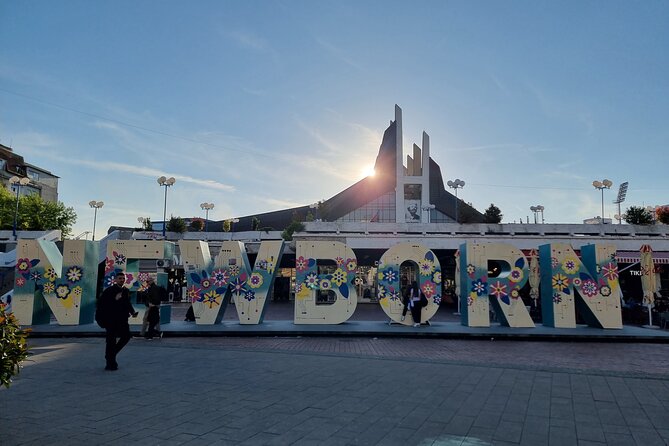
The tour begins at the Newborn Monument, a local symbol of independence that you will see long before you fully understand it. The guide starts by explaining why it was unveiled in 2008 and how its design changes every year. That yearly transformation is not just a visual gimmick, it is a way of showing identity as something alive, not stuck in one moment.
I like that the guide ties each change back to meaning, so when you look up at the monument, it stops being an object and becomes a point of conversation. You also get a gentle start, because the stop is short, about 15 minutes, and admission is free.
After that, the route keeps moving. This is not a slow museum day. It is paced for getting your bearings fast, with each stop adding a new layer to how people in Prishtina talk about their past and present.
More time in Pristina:
- From Skopje: Kosovo in a Day – Prishtina, Monastery & Bears★ 4.8 · 646 reviews
- 1-Day Trip : Prishtina and Prizren from Tirana★ 4.5 · 464 reviews
- From Tirana/Durres/Golem: Prizren & Prishtina Full-Day Tour★ 4.8 · 388 reviews
Heroinat Memorial: the pins that count 20,000 survivors
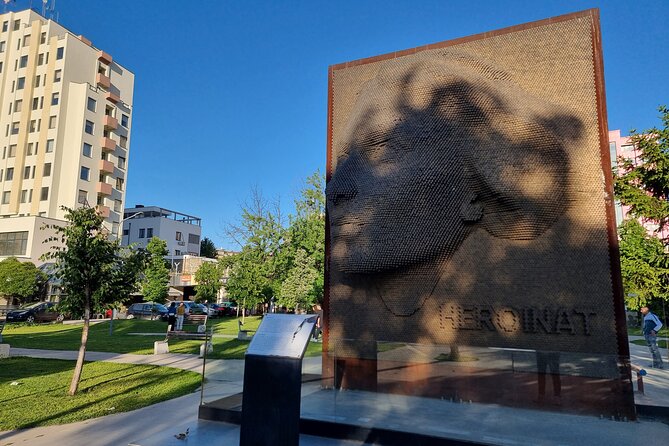
Next comes the Heroinat Memorial, one of the most emotional sites in the city. Here, the face of a woman is made out of 20,000 pins, with each pin representing a survivor of the war. You do not need an art background to feel the impact. The guide gives you a framework for what you are seeing, then you get time to pause and absorb the scale.
This is the kind of stop where I think a guide matters. Without context, you might see a striking sculpture. With context, you see a deliberate memorial system, where the material itself carries weight. The tour gives you about 15 minutes here, with no admission fee, so it fits into the flow without rushing past the meaning.
Rugova’s House of Independence: peaceful resistance, not just politics
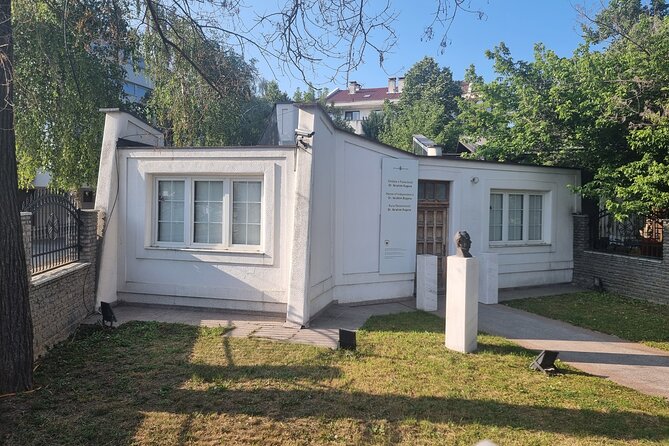
From memorial to museum, the tour then moves into the Museum House of Independence of Kosovo Dr. Ibrahim Rugova. This is the former home of Kosovo’s first president, and the museum portion focuses on Rugova’s role in leading peaceful resistance during the 1990s.
What you get is a chronological presentation of more recent history, with stories that include international leaders who visited him here. I like this stop because it makes the idea of independence feel personal. You are not just looking at a timeline on a wall. You are standing in a house tied to decisions, negotiations, and quiet resistance.
The museum stop lasts around 30 minutes and admission is free. That makes it one of the best value moments on the route, since museum visits often cost more even in cities where the walking tours are budget-friendly.
Carshia Mosque and the once lead-covered dome
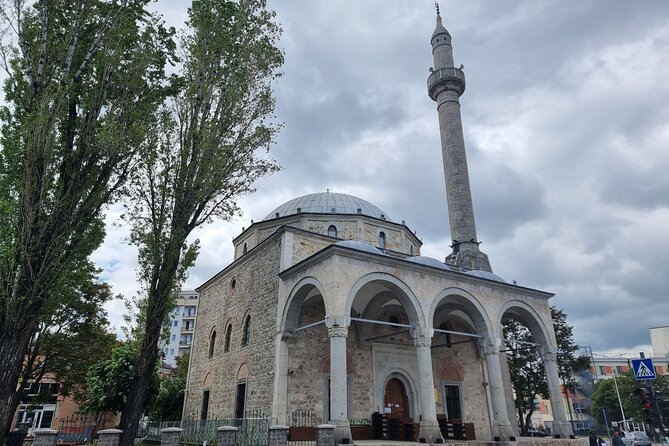
Prishtina’s older layers show up at Carshia Mosque, also called Xhamia e Carshise. The guide introduces it as a 14th to 15th century Lead Mosque, named for the dome that was once covered in lead.
You learn how Sultan Mehmed II ordered the mosque’s construction and how it has survived centuries of change. Even if you are not a deep architectural student, the explanations help you look at details with the right questions in mind. What survived. What changed. And what that says about the city’s long, complicated history.
This stop is brief, about 5 minutes, and admission is free. Treat it like a visual checkpoint. You will see it, you will understand why it matters, and then you will move on rather than losing momentum.
More of Pristina covered at a walk:
- Prishtina: Guided Walking Tour with a Local
★ 5.0 · 10 reviews - Prishtina: Walking Tour of History, Landmarks & Local Life
★ 5.0 · 4 reviews - The best of Pristina walking tour
★ 5.0 · 3 reviews
Sahat Kulla clock tower: trade, prayer, and restoration
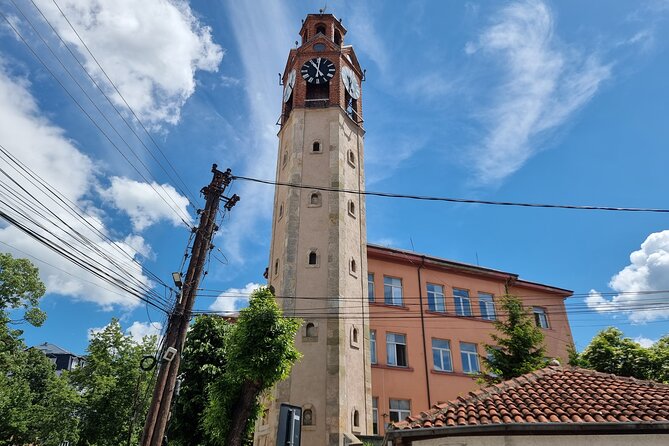
The next short stop is the Clock Tower, known locally as Sahat Kulla. The guide explains how this 19th century tower used to regulate trade and prayer times across the city. That is a fascinating idea because it connects everyday life to public rhythm. The tower was practical, not decorative.
You also hear about Ottoman design elements and a Moldavian bell. Then the guide brings the story forward with how the tower was restored after war damage.
This is only about 10 minutes in the itinerary, but it is worth your attention. It helps you understand how infrastructure can carry culture. You are not just looking at a landmark, you are learning how people organized time together.
Inside an Ottoman house at the Ethnographic Museum
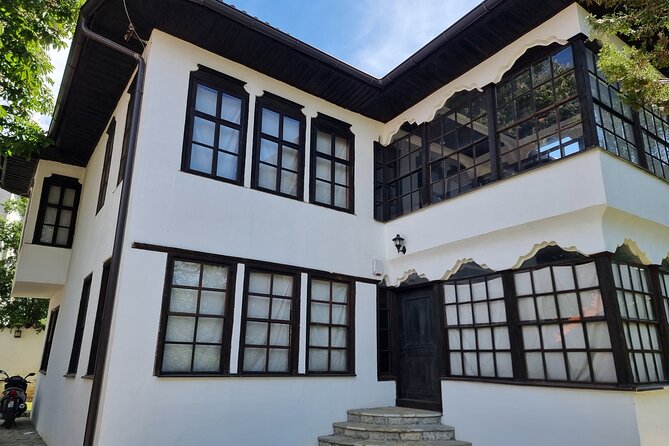
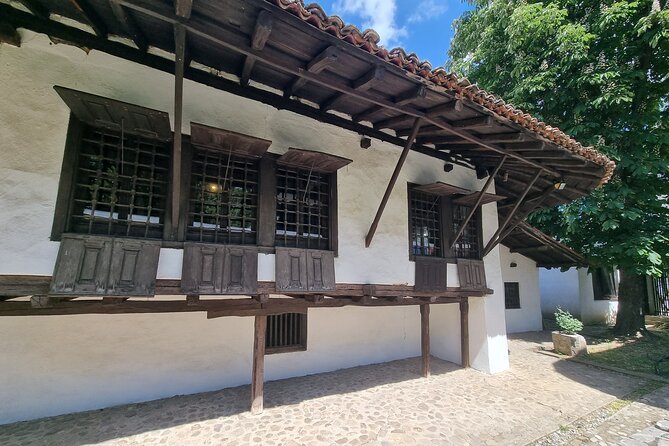
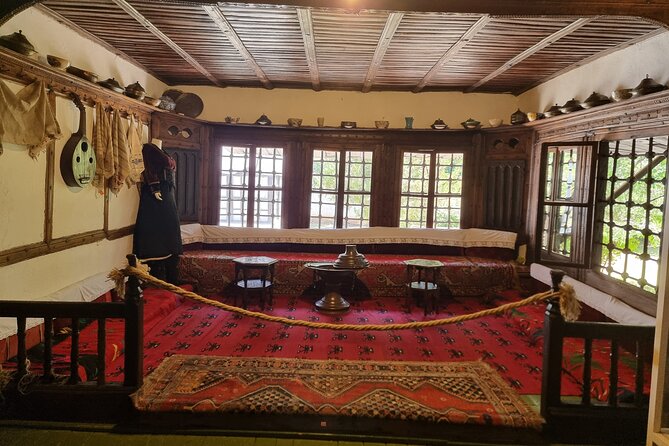
After the clock and mosque, the tour slows a touch at the Ethnographic Museum, Muzeu Etnologjik. This is a preserved Ottoman house, where the guide walks you through traditional costumes, furniture, and tools from Kosovo’s past.
I like this stop because it gives you a different kind of history. The city’s political story can feel heavy. The ethnographic details are grounded. You start thinking about how families once lived, worked, and celebrated.
The stop runs about 15 minutes and admission is free. It is long enough to get a feel for domestic life without dragging you into a full afternoon museum session.
Skanderbeg Square and Kosovo’s identity icons
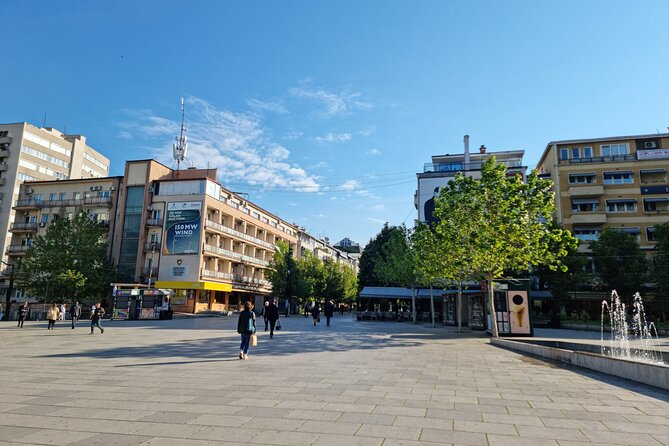
As the tour continues, you pause at the monument to Kosovo’s first president and in Skanderbeg Square. Here, the guide explains why these figures matter for modern national identity and how Kosovo’s past struggles link to its ongoing political journey.
This part of the experience helps you connect the earlier independence themes to the street-level reality of the city. It is also where you begin to understand how public spaces become storyboards for identity.
The tour then walks through the city’s busiest pedestrian area, lined with cafés and government buildings. This is not random. The guide uses the setting to explain where locals gather for daily life and public events. It is a quick way to see Prishtina as a functioning city, not only a history lesson.
You will also hear why Mother Teresa is honored strongly in Kosovo, even though the country is majority Muslim. That contrast is part of what makes the next stop feel so relevant.
The National Library of Kosovo: domes, steel mesh, and what it meant
Next up is the National Library of Kosovo Pjetër Bogdani. From the outside, the building looks striking, with domes and steel mesh. The guide explains the controversial architecture and what the design symbolizes.
If the library is open, you can step inside to see the reading rooms and learn how the space was misused during the war and later restored. That detail matters. A library is not neutral. It is a place where knowledge should be protected, and this building’s story turns it into a symbol.
This stop is around 15 minutes and admission is free. Still, plan for the possibility that you might only see the exterior if it is closed at that hour.
Mother Teresa Cathedral: modern spirituality with a panoramic option
The tour’s final major stop is Mother Teresa Cathedral, dedicated to Saint Mother Teresa of Calcutta. The guide points out interior details and symbolism, so you know what you are looking at and why it is designed the way it is.
There is also an optional tower climb, and this is where cost enters the picture. The cathedral tower fee is not included, listed at about €2.50 per person. The tour notes that the tower is only climbable if it is open. When it is open, the tower climb is one of the best ways to see Prishtina from above during your visit.
This stop is about 15 minutes on the itinerary, with the main focus on the cathedral itself plus the option if access allows.
How the route fits together (and why the pacing works)
This is a logical route for first-time visitors. You start with a symbol of independence, move to memorial and resistance history, then shift into Ottoman architecture and everyday city rhythm. Finally, you end with the Mother Teresa Cathedral, which ties identity to a modern landmark and gives you a smooth “wrap” for your day.
The pacing is practical:
- Short stops for outdoor landmarks and quick explanations
- Slightly longer stops where you need time to absorb context, like the museum and the memorial pause
- A group size kept small, maximum 12 travelers, which generally makes it easier to hear the guide and ask questions
At around 3 hours, you can still fit this into a first or second day without wrecking the rest of your itinerary. It is also in English and uses a mobile ticket, which is simple if you prefer not to hunt for paper tickets.
Price and value: $42.34 for a guided city map in 3 hours
At $42.34 per person for about 3 hours, this tour sits in a fair, mid-range zone for guided walking. The big value point is what is included: your guide, plus admission for every listed stop. That includes major interior visits like Rugova’s House of Independence and the ethnographic museum, as well as the sites like the memorial and mosque.
The one clear extra is the cathedral tower climb fee, about €2.50 per person. If you want the views and the tower is open, budget for that. If you skip the climb, you still get a strong ending at the cathedral.
Also, this is the type of tour where the “real product” is interpretation. You are paying for a guided explanation that connects landmarks to meanings, not for a checklist of photos. That is where you get your money back, especially if it is your first time in Prishtina.
Who should book this tour, and who might want something different
This walking tour fits best if you:
- Want a high-signal introduction to Prishtina, with independence history and local identity
- Like guided explanations at monuments, not only taking photos
- Prefer a route where most admissions are included
- Are comfortable walking for about 3 hours at a city-center pace
You might want to consider another option if:
- You specifically want a longer museum day, because several stops are deliberately short
- You need a strict indoor itinerary, because the experience is built for good weather
- You do not care about symbolic sites, architecture, and memorial context, since the guide’s storytelling is the heart of the tour
Practical tips before you go
A few things that will make your experience smoother:
- Wear comfortable shoes, this is a walking route through the core of the city.
- Bring a little extra money for the cathedral tower climb, listed at about €2.50, if you choose to go up and it is open.
- Since the tour needs good weather, plan to be flexible with timing if conditions are questionable.
- If you travel with a service animal, this tour allows them.
- If you like having a backup plan for later, save your photos of early stops like the Newborn Monument. The guide explains how its design changes yearly, so future-looking at it will feel more meaningful.
If your guide is Besnik, based on past experiences described by others, expect a friendly, personable style and a strong sense of how Kosovo’s past shapes today. Even if you do not get Besnik, the format is designed for an engaging, easygoing walk with clear explanations.
Should you book the Prishtina Walking Tour to Mother Teresa Cathedral?
If you are trying to understand Prishtina without getting stuck in random sightseeing, I think this is a smart choice. You get a compact route that covers independence symbolism, war remembrance, Ottoman heritage, and a modern spiritual landmark. The value is strong because admissions are included for the stops on the route, and the route is guided from start to finish.
Book it if you want context and good pacing. Skip it if you only want long museum time or if you have trouble with outdoor walking in changing weather.
FAQ
How long is the Prishtina Walking Tour to Mother Teresa Cathedral?
The tour lasts about 3 hours (approx.).
What is the price of the tour?
The price is $42.34 per person.
What is included in the tour price?
The tour includes the tour guide. Entrance fees are listed as free for the stops on the itinerary, except the cathedral tower climb.
Is the cathedral tower climb included?
No. The climb is not included. The listed fee is €2.50 per person, and the tower is only climbable if it is open.
What language is the tour offered in?
The tour is offered in English.
Where does the tour start and end?
It starts at Newborn Monument (XK, 111 Luan Haradinaj, Prishtina 10000) and ends at Mother Theresa Square (Bulevardi Nënë Tereza, Prishtina 10000).
How many people are on the tour?
The tour has a maximum of 12 travelers.
What happens if the weather is bad?
The experience requires good weather. If it is canceled due to poor weather, you will be offered a different date or a full refund.
Can I cancel for a refund?
Yes. Free cancellation is available, with full refund if you cancel up to 24 hours in advance. If you cancel less than 24 hours before the start time, the amount paid will not be refunded.
Newest trips written up around Pristina
Walking Tours, compared.
Prizren Walking Tour: Explore the Heritage of Open Museum City
Read our review →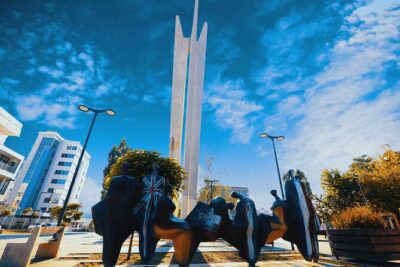
Private Walking Tour from Mother Theresa Cathedral in Pristina
Read our review →Browse the lists this tour appears in