
Reviewed · HISTORICAL TOURS
Prishtina: Walking Tour of History, Landmarks & Local Life
Prishtina has stories you can hear. This small-group walking tour turns famous monuments into everyday context, with calm pacing and clear explanations as you move through the city on foot. You start at the Newborn Monument, then follow the thread from independence to religion, literature, and street life.
I love how the local guide storytelling connects modern Kosovo to what you see in front of you, not just dates in a list. I also like the mix of stops, from the Mother Teresa sites to the Orthodox Cathedral and the Great Mosque, so you get a real sense of how different communities show up in the same streets.
One thing to plan for: several visits are more about seeing from the outside, and a couple interiors can be closed depending on the day. If you care a lot about entering specific sites, it helps to keep cash on hand and be flexible.
In This Review
- Key highlights worth prioritizing
- Why this 2-hour Prishtina walk fits your schedule
- Starting at the Newborn Monument, independence you can see
- Madeleine Albright Square and the Heroinat Memorial, modern identity in public space
- A quick café moment, then the big religious and cultural monuments
- Orthodox Cathedral and Mother Teresa Boulevard, religion, daily life, and small breaks
- Skënderbeg Square, Ibrahim Rugova, and the Great Mosque, three symbols in sequence
- Ethnographic Museum and a traditional furra stop, ending with the taste of the city
- What you should bring to make it easy
- Value check: is $29 worth it for this kind of route?
- Who this tour is best for, and who might want something else
- What stood out in the guides and the vibe
- Should you book Secrets of Prishtina walking tour?
- FAQ
- Where do I meet the guide?
- How long is the walking tour and what does it cost?
- What’s included in the tour?
- Is food and drinks included?
- Are entrance fees included for all sites?
- Which stops have closures on certain days?
- What should I bring?
Key highlights worth prioritizing
- Newborn Monument start, setting the independence story right away
- Medina-style pacing, relaxed and personal, with practical food recommendations
- Madeleine Albright Square and Heroinat Memorial, modern identity in a short route
- Mother Teresa Cathedral and National Library of Kosovo (Pjetër Bogdani), big landmarks explained clearly
- Skënderbeg Square to the Great Mosque, symbols of Albanian heritage and shared city space
- End near a furra (bakery), so you can keep exploring or grab something sweet right after
Why this 2-hour Prishtina walk fits your schedule
Prishtina can feel like a puzzle at first, especially if you only know it from headlines. This tour gives you a guided path that links symbols to street life, so you start noticing patterns after the first half hour. At 2 hours, you get a lot of orientation without burning your whole day.
The route is also built for real walking, not museum marathons. Expect short stops where the guide gives context before you move on, then you get the chance to look around and take photos. Because the group is small and unhurried, you can ask questions without feeling rushed.
Price-wise, it is $29 per person for a guided walk that includes multiple landmark visits plus extra culture stops like the ethnographic side of the city. You are paying for time with a local English-speaking guide, the history threads that connect the landmarks, and the on-the-ground tips for where locals actually eat and linger.
More time in Pristina:
- From Skopje: Kosovo in a Day – Prishtina, Monastery & Bears★ 4.8 · 646 reviews
- 1-Day Trip : Prishtina and Prizren from Tirana★ 4.5 · 464 reviews
- From Tirana/Durres/Golem: Prizren & Prishtina Full-Day Tour★ 4.8 · 388 reviews
Starting at the Newborn Monument, independence you can see
You meet at the Newborn Monument, a Kosovo independence symbol that instantly frames the rest of the walk. The guide is easy to find, holding up the Secrets of Prishtina sign, and you begin with a quick introduction to Prishtina’s recent history.
What I like about this start is how it changes your attention. Instead of treating the rest of the tour like a photo checklist, you start looking for how the city signals identity through monuments, names, and architecture. Even if you know little about the country, the guide sets the baseline fast, so the later references to key figures and memorials land.
Practical tip: this is a good place to take a couple wide shots before you move into the tighter streets and viewpoints.
Madeleine Albright Square and the Heroinat Memorial, modern identity in public space
From the Newborn Monument you continue to Madeleine Albright’s Square. It is a short, focused stop, but it matters because it anchors international attention and Kosovo’s modern story in a recognizable city location.
Next comes the Memorial HEROINES, Memoriali HEROINAT. Memorials can feel distant if you only pass by them, but here the stop is timed so you learn what the site represents before you move on. This is the kind of moment where the guide’s storytelling can make the place feel grounded, not symbolic for symbolism’s sake.
If you like walking tours that explain the meaning behind names and statues, these two stops are a strong reason to choose this experience. The pacing also keeps it from feeling heavy, because you do not stay stuck in one emotional spot for too long before you transition to everyday Prishtina.
A quick café moment, then the big religious and cultural monuments
At one point, the tour includes a short local café visit. This is not about a long sit-down meal. Think of it as a reset, where you get a glimpse of how people take breaks, chat, and live with the city around them.
Then you shift into major landmarks. First is the Cathedral of Saint Mother Teresa, followed by the National Library of Kosovo, Pjetër Bogdani, with explanations provided outside the building. The tour makes it clear what you are looking at so you do not just stand there guessing.
A small note that matters for planning: the National Library visit is listed with a heads-up that the inside is closed on Sundays. On those days, you can still understand the building and its role, but you should not expect an interior look.
This section works well if you want to understand architecture and cultural priorities without needing to buy a bunch of tickets. The emphasis stays on context.
More of Pristina covered at a walk:
- Prishtina: Guided Walking Tour with a Local
★ 5.0 · 10 reviews - The best of Pristina walking tour
★ 5.0 · 3 reviews - Pristina Half-day Walking Tour
★ 5.0 · 2 reviews
Orthodox Cathedral and Mother Teresa Boulevard, religion, daily life, and small breaks
Next you visit Christ the Saviour, the Orthodox Cathedral. Like the other major sites, you get guided context while you are outside, which keeps the tour moving and helps you compare the visual language across religious spaces.
Then comes Mother Teresa Boulevard, with a break for shopping and food tasting. This is where the tour changes tone from monuments to neighborhood rhythm. You get time to walk a bit slower, check storefronts, and sample local flavors without turning lunch into a separate agenda.
I like that this stop is practical. You get snack-sized tasting rather than committing to a full meal before you know whether you will feel like exploring more afterward. If you prefer to eat at places the locals actually use, this is one of the best moments to ask your guide what is worth it nearby.
Skënderbeg Square, Ibrahim Rugova, and the Great Mosque, three symbols in sequence
The tour then returns to the political and cultural center with Skënderbeg Square. You get a short guided look at the square, which helps you understand why this place keeps showing up when people talk about identity and independence.
Next is the Ibrahim Rugova statue, another quick stop that gives context for how Rugova is remembered and why his name is tied to the country’s journey.
Finally, you reach the Great Mosque, Pristina. This is an important balance point in the route. Earlier you have Catholic and Orthodox landmarks, then you step into the Islamic presence that is also part of the city’s fabric. With the guide’s explanations, it becomes less about ticking faith categories and more about learning how Prishtina shares space and meaning across communities.
If you are the kind of visitor who appreciates respectful, non-sensational explanations, this sequence tends to work well because the tour stays factual and grounded.
Ethnographic Museum and a traditional furra stop, ending with the taste of the city
Near the end, you visit the Ethnographic Museum. This adds a slower, more culture-forward layer to the walk, connecting daily life and traditions to the city you have been seeing from the outside.
One planning detail: the ethnographic museum is closed on Mondays. If your tour day falls on a Monday, you might still get the sense of the area and the guide’s context, but the stop may be adjusted.
After that, the tour ends near a traditional furra (bakery). This matters because it gives you a natural transition from walking and learning into trying local food. You can choose to keep exploring on your own or pick up something sweet and settle in for a real local moment.
Also pay attention to the entrance options you might run into. The tour notes an additional 2 EUR cash fee for the Mother Teresa bell tower entrance. If you want to go up, bring cash so you do not have to improvise.
What you should bring to make it easy
This tour runs on foot, so comfort matters. Wear comfortable shoes and comfortable clothes, and bring a camera for photos. The tour also asks you to bring cash, not for the main tour, but for possible entrance fees like the bell tower.
If you are the type who likes extra time for photos, start thinking about it early. The tour is timed with short guided moments, so if you want longer photo pauses, it helps to ask your guide briefly when the best angles are.
Value check: is $29 worth it for this kind of route?
At $29 per person for a 2-hour walking tour, you are buying two main things: guided interpretation and time efficiency.
You get guided context for major landmarks that you could technically walk to on your own, but the value is in how the guide connects them. The tour is not just landmarks in a row. It links independence symbols like the Newborn Monument to later references around Albanian history and Kosovo’s path forward through figures such as Skënderbeg and Ibrahim Rugova.
You also get built-in texture of local life through café time and the food tasting along Mother Teresa Boulevard. Then you finish near a furra, which is exactly how you turn a walk into a memory tied to taste.
If you want a casual, friendly orientation to Prishtina, this price feels fair because the guide is doing the heavy lifting on meaning, and you still get freedom at the end.
Who this tour is best for, and who might want something else
This is a strong fit if you:
- want history and modern identity explained in plain language while you walk
- like respectful visits to religious sites with context outside the buildings
- enjoy small-group tours where the guide can answer your questions
- want food tips that are practical, not vague
You might want a different style if you:
- expect long interior museum time at multiple stops, since several visits are guided from outside and some interiors can be closed on specific days
- only want a pure sightseeing loop with minimal talking, because the tour is built around stories
What stood out in the guides and the vibe
In a recent experience led by Medina, the tour was described as friendly, knowledgeable, and personal, with recommendations for where to eat and where else to go. Another review praised the guide as prepared and available, and the general theme across feedback was easy walking plus solid explanations.
That matches the structure you should expect: short introductions, quick stops with meaning, and enough time to keep the energy from turning into a sprint.
Should you book Secrets of Prishtina walking tour?
Book it if you want a guided orientation that feels human and not like a checklist. The route covers independence symbolism, major Mother Teresa landmarks, religious diversity, and Prishtina’s street-level café and bakery culture, all in a compact format.
Skip it or consider another option if your priority is mostly entering buildings. The tour does include important stops, but it focuses on understanding what you see rather than promising full interior access everywhere.
If you have just a half day and want to start feeling at home in Prishtina fast, this is a smart use of time.
FAQ
Where do I meet the guide?
You meet at the NEWBORN Monument. The guide will be holding up a Secrets of Prishtina sign so you can spot them easily.
How long is the walking tour and what does it cost?
The tour lasts about 2 hours and costs $29 per person.
What’s included in the tour?
The tour includes a local English-speaking guide, visits to the NEWBORN Monument, Madeleine Albright’s statue, the Heroinat Memorial, Mother Teresa Boulevard, the Mother Teresa Cathedral, the National Library of Kosovo, the Orthodox Church, statues of Skënderbeg and Ibrahim Rugova, and the Great Mosque.
Is food and drinks included?
No. Food and drinks are not included, though there are optional stops near traditional eateries and bakeries.
Are entrance fees included for all sites?
No. Entrance fees are not included, and there is a noted cash fee of 2 EUR for the Mother Teresa bell tower.
Which stops have closures on certain days?
The National Library of Kosovo inside is closed on Sundays. The Ethnographic Museum is closed on Mondays.
What should I bring?
Bring comfortable shoes and comfortable clothes, plus cash for any possible entrance fees. A camera is also recommended for photos.
More of the Centuries Stacked up in Pristina
- Prizren & Prishtina Private Tour – Culture, Views & History
★ 5.0 · 9 reviews - Pristina – Cultural and Historical Full Day Tour (combined)
★ 5.0 · 4 reviews - Prizren & Prishtina Private Tour – Culture, Views & History
★ 5.0 · 2 reviews
Newest trips written up around Pristina
Historical Tours, compared.
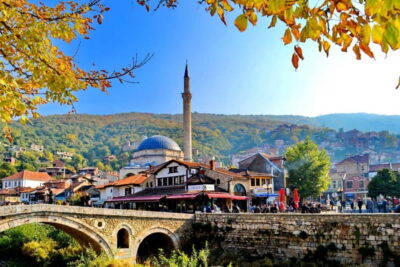
Historic Prizren: Where Every Corner Tells a Story
Read our review →Prizren & Prishtina Private Tour – Culture, Views & History
Read our review →
Recent History of Kosovo and Mitrovica Tour (combined)
Read our review →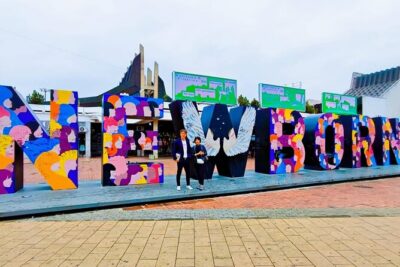
Cultural and Historical Full Day Tour (combined)
Read our review →
Prizren & Prishtina Private Tour – Culture, Views & History
Read our review →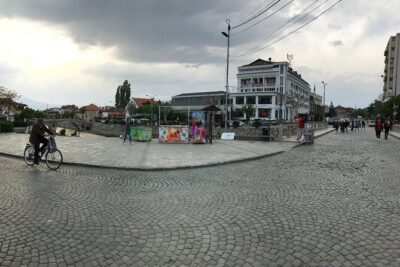
Prizren Walking Tour: Explore the Heritage of Open Museum City
Read our review →Browse the lists this tour appears in