
Reviewed · PRISTINA TOURS
Pristina Full Day Tour
Pristina makes you feel history fast. This full day outing strings together religious sites, ancient ruins, and big monuments, so you get the long view plus the modern story of Kosovo in just a few hours. I especially like how pickup is built in and how the pace keeps you moving without rushing every stop.
Two things I love most: you get a mix of archaeology and culture (Ulpiana and a real cave) and you also get the city centerpiece walk with monuments tied to Kosovo identity. One possible drawback to consider is that some key entrances are not included, so you will want to budget for tickets on the monastery, the cave, and the cathedral.
If you want a first-time hit of Pristina plus a few out-of-town stops, this tour is a strong option. It also works well if you prefer a guided day over figuring out transport and site timing on your own.
In This Review
- Key Highlights at a Glance
- A Fast First Look at Pristina and Nearby Sites
- Price and Logistics, What You’re Actually Paying For
- Gracanica Monastery: Byzantine Splendor and UNESCO-Linked Stonework
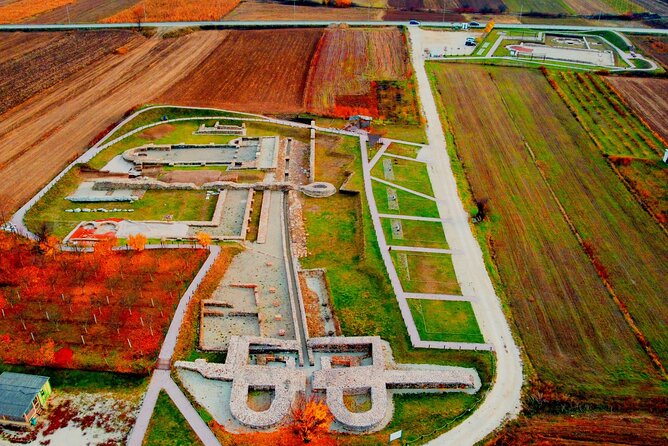
- Ulpiana Roman Ruins: Ulpiana’s Scale and Why It Feels Real
- Gadime Cave (Marble Cave): Limestone Formations and a 1966 Discovery
- Kosovo Museum: Ottoman House Vibes and Everyday-Details Displays
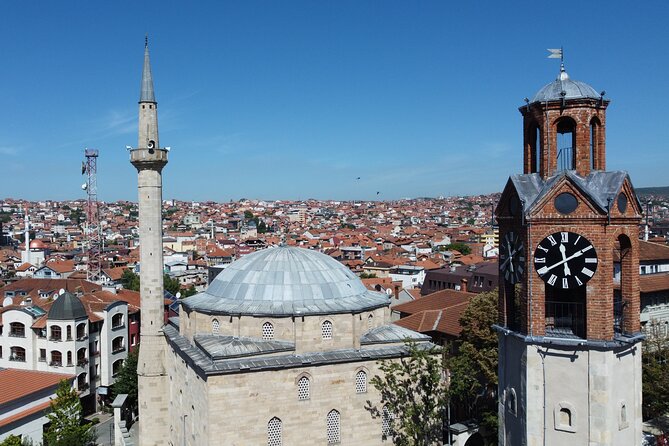
- Fatih Mosque, Jashar Pasha, and the Oldest Bazaar Mosque
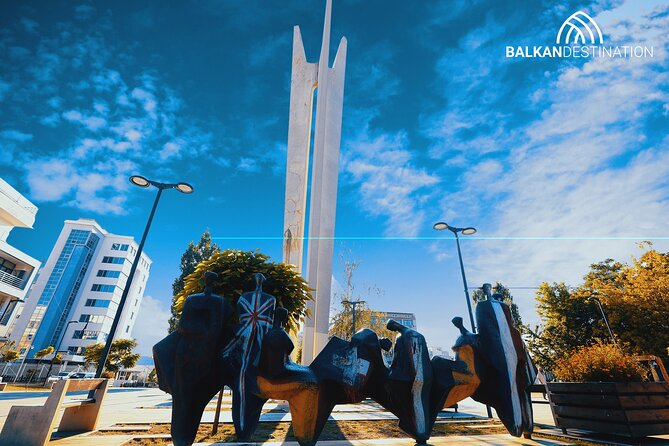
- Mother Teresa Boulevard Monuments: Kosovo’s Modern Story in Stone and Steel
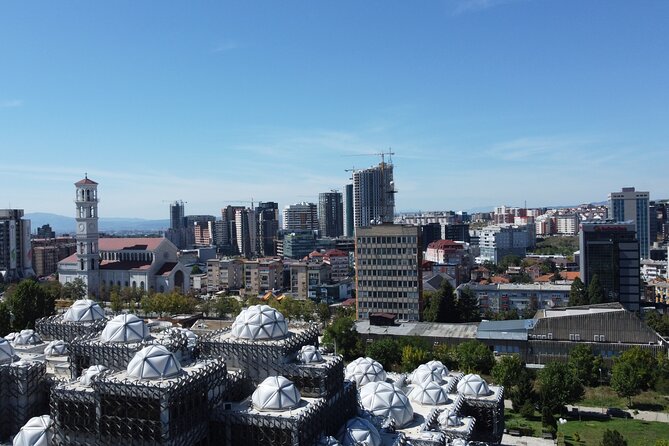
- Mother Teresa Cathedral and the National Library Bird Nest View
- The Real Value: How the Guide Changes Your Experience
- Who This Tour Is Best For
- Should You Book This Pristina Full Day Tour?
Key Highlights at a Glance
- Hotel or airport pickup in Pristina, with a smooth start at 9:00 am
- English-speaking guide focused on explanations that connect sites to the story of Kosovo
- UNESCO-linked Gracanica Monastery plus Roman Ulpiana ruins in one day
- Gadime Cave, also called the Marble Cave, discovered in 1966 and still largely explored
- A walking loop of major monuments on Mother Teresa Boulevard and the surrounding mosque cluster
- National Library viewpoint with an iron-mesh architecture look from the outside
A Fast First Look at Pristina and Nearby Sites
This is the kind of tour that helps you get your bearings fast. You start with major sights that explain Kosovo’s layered identity, from medieval churches to Roman occupation to Ottoman-era architecture, then you finish with modern public art and landmark buildings in Pristina.
The schedule runs about 5 to 6 hours, which is ideal when you want more than a simple city walk but you do not have time for a full day trip. The vehicle is air-conditioned, and the group format is private, meaning it is just your group riding together.
If you like structure, this tour gives it to you. If you like flexibility, the itinerary still has time for guided flow between stops rather than a stop-and-dash vibe.
More time in Pristina:
- From Skopje: Kosovo in a Day – Prishtina, Monastery & Bears★ 4.8 · 646 reviews
- 1-Day Trip : Prishtina and Prizren from Tirana★ 4.5 · 464 reviews
- From Tirana/Durres/Golem: Prizren & Prishtina Full-Day Tour★ 4.8 · 388 reviews
Price and Logistics, What You’re Actually Paying For
The price is $117.16 per person and the core value is that you are buying the whole logistics layer. That includes professional English guiding, private transportation, parking fees, taxes, and pickup from hotels and other accommodations in Pristina (and from the airport).
The tour also uses a mobile ticket, which is handy because you are not hunting for paper passes while you are already juggling time and locations. In terms of what can add up, entrance fees are the big variable: the tour lists €7.00 per person for entrances, and some sites are explicitly marked as free while others are not.
My practical advice: bring cash or a card for the paid entrances, and plan a light snack. Lunch is not included, so if you get hungry, you will need to find food on your own at some point during or after the day.
Gracanica Monastery: Byzantine Splendor and UNESCO-Linked Stonework
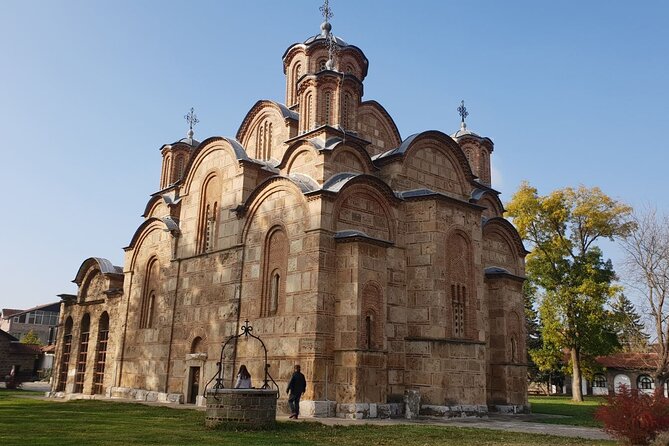
Your first stop is Gracanica Monastery, with about 30 minutes on site. This is the Serbian Orthodox Church connected to the medieval Kosovo Monuments, built in 1321 using two older structures, associated with Stefan Milutin. Even if you only have half an hour, this is the kind of place that can hit hard visually because it is all about architecture and the weight of time.
This stop matters for two reasons. First, it gives you a medieval anchor point that helps you understand why Kosovo’s religious heritage is not just decorative. Second, it sets the tone for the rest of the day by shifting your eyes from modern Pristina monuments to older layers of meaning.
The one consideration: the admission ticket is not included here. Also, the time is short, so if you want a slow, detailed look, you will need to keep your pace tight and focus on the main interior areas your guide directs you to.
Ulpiana Roman Ruins: Ulpiana’s Scale and Why It Feels Real
Next you head to Ulpiana, where you get about 45 minutes. This is the largest ancient archaeological site tied to a Roman city in the province of Dardania, associated with Illyrian roots and also known as Justiniana Secunda. In plain terms, you are walking around a place that used to be important at a regional level, not just a random pile of stones.
I like Ulpiana because it is the opposite of a museum. You can sense the layout more naturally when the ruins are right in front of you. It is also a smart counterweight after Gracanica, because you go from medieval Christian architecture to Roman occupation and urban life.
The perk here is that admission is free. That makes this stop excellent for value, especially when you are already paying for paid sites elsewhere in the day.
More Pristina outings that run all day:
- From Skopje: Full-Day Kosovo Tour to Pristina and Prizren
★ 5.0 · 93 reviews - Pristina – Cultural and Historical Full Day Tour (combined)
★ 5.0 · 4 reviews - Pristina Full-day Tour
★ 4.5 · 4 reviews
Gadime Cave (Marble Cave): Limestone Formations and a 1966 Discovery
Then comes the cave, Gadime Cave, also known as the Marble Cave, with about 30 minutes. It is a limestone cave that was accidentally discovered in 1966 by a villager cutting stone. The fact it was not planned gives it a grounded origin story, like a real discovery that just happened close to everyday life.
Why this stop is worth your time: caves compress your sense of geography. One moment you are on the surface dealing with roads and cities, and the next you are in a place shaped by stone and time. The cave remains largely unexplored, so even what you do see can feel like you are getting a curated slice of a bigger world.
This stop does have a caution flag: admission is not included. If you are sensitive to temperatures or damp conditions underground, dress in a way you can tolerate a cooler environment. Your guide can help you understand what to expect once you arrive.
Kosovo Museum: Ottoman House Vibes and Everyday-Details Displays
After archaeology and cave time, you shift into a cultural stop at the Kosovo Museum for about 1 hour. It combines an ethnographic collection and a national museum presence, housed in a typical Ottoman architecture house. The building style matters here. Museums in original architecture often feel less like a warehouse and more like a context you can picture belonging to everyday life.
Inside, the focus is on original objects that tell you about traditions and the way of life, including elements that still exist in rural areas. This is the part of the day that helps you understand people, not just landmarks.
The best part for budgeting: admission is free. If you need a calmer hour after the cave, this museum stop gives you a chance to slow down and absorb details without paying more entry fees.
Fatih Mosque, Jashar Pasha, and the Oldest Bazaar Mosque
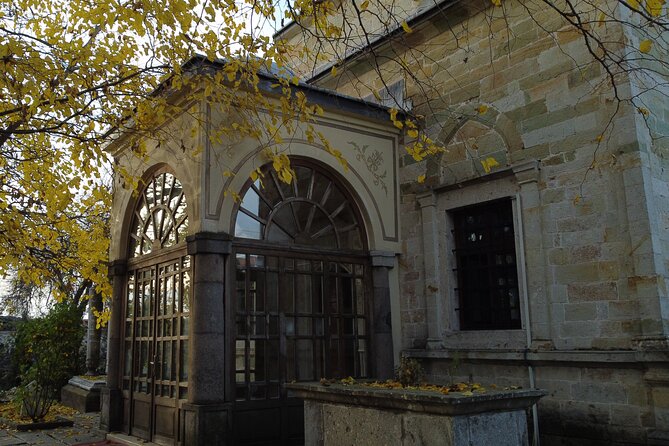
Now you move into Pristina’s religious architecture zone. The stop includes Fatih Mosque (Xhamia e Mbretit) and nearby mosques, with about 30 minutes total.
Fatih Mosque dates to 1460, tied to the golden age of Sultan Mehmed II. You also get details like a large dome and decorative painting described as an Arabesque model flower. Then you continue on to the Jashar Pasha Mosque, a 19th-century building, and the Bazaar Mosque, completed in 1389, described as the oldest building in the city.
This cluster is useful because it is chronological in a visible way. You can compare styles and time periods without hopping across the entire map. Also, most of these mosque visits are free.
The practical tip: dress respectfully and be ready for quick inside moments rather than a long, slow worship-focused visit. Your guide will help you with what is possible and how to handle the flow in and out.
Mother Teresa Boulevard Monuments: Kosovo’s Modern Story in Stone and Steel
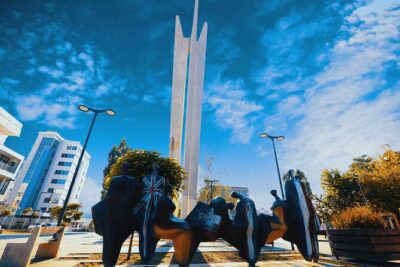
After the mosque area, you walk along Mother Teresa Boulevard and see a sequence of monuments that bring Kosovo’s modern political story into public space.
First up is Ibrahim Rugova, described as an important political figure of Kosovo Albanians and honored with the Saharov Prize from the European Parliament. The monument ties him to the late 1980s and 1990s effort of getting Kosovo Albanians on the international agenda and pushing for independence.
Then you see the monument of Gjergj Kastriot-Skenderbeu, the Albanian national hero associated with resisting Ottoman expansion in the early 14th century. After that, the tour continues with the Mother Teresa Monument known as the New Born, designed for Kosovo’s independence on February 17, 2008, plus the Heroinat monument dedicated to more than twenty thousand Kosovo Albanian women who suffered violence and death during the war in 1998 to 1999.
This is where the tour becomes more than sightseeing. You are not just collecting photos, you are learning how history is commemorated in everyday sightlines. If you want context for why Pristina feels the way it does today, this boulevard stop is the hinge.
Time is shorter here, so my advice is simple: watch first, then ask questions. If you ask about the specific symbolism your guide mentions, you will get more out of each stop than you would just staring at it.
Mother Teresa Cathedral and the National Library Bird Nest View
You end with Mother Teresa Cathedral for about 1 hour, and then a view of the National Library. The cathedral is described as one of the largest Catholic cathedrals in the Balkans, which is the kind of detail that matters because Pristina is not the first place many people associate with big Catholic architecture.
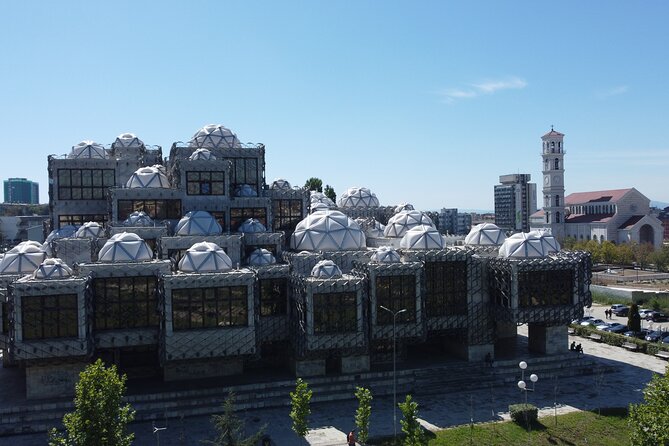
In front of the cathedral is also the public University campus, and after this you close the full tour with the National Library. From a distance it is said to look like a bird nest built of iron mesh, which is a rare kind of architecture statement. You do not need to tour the inside to appreciate the structure, because the design is the main story from outside.
One more time-related detail: cathedral admission is marked as not included. If you want to spend every minute inside, plan around the fact that the day is already tightly scheduled, about 5 to 6 hours total.
The Real Value: How the Guide Changes Your Experience
A tour is only as good as the person explaining what you are looking at. This one lists professional English guidance, and the experience is often praised for clear, detailed explanations.
Two guide names that have come up include Arsim and Bakim Xhemili, both noted for being knowledgeable and friendly, and for keeping the day flexible when needed. That flexibility matters because Pristina sights often involve small practical adjustments like time spent at photo stops or how quickly a group moves through entrances.
If you want to learn, ask your guide a couple of questions as you go. For example, you can ask how the monastery’s medieval setting connects to the city’s later Ottoman and modern layers. Or ask what the monuments on Mother Teresa Boulevard are trying to communicate in everyday language.
Who This Tour Is Best For
This is a strong fit for:
- First-time visitors who want a guided overview of Pristina and nearby highlights
- People who like varied themes in one day (religion, Roman ruins, a cave, museums, and modern monuments)
- Travelers who prefer private group comfort with pickup and transport handled
It might not be ideal if you want an unhurried, slow-travel day where you wander independently for long periods. The cave and archaeological stops are time-limited, so you are guided through them rather than free-ranging for hours.
Should You Book This Pristina Full Day Tour?
Yes, you should book if you want the best use of limited time in Kosovo’s capital. The value is strong because pickup and transport are handled, the guide is English-speaking, and the itinerary covers a smart spread: medieval monastery, Roman Ulpiana, Gadime Cave, Ottoman-style museum, mosque cluster, and the monument walk that explains modern identity.
You should think twice if you dislike managing extra entrance costs, because some stops are not included and the cathedral and cave require tickets. Also, because lunch is not included, you will need to plan food so you do not end the day hungry and rushed.
If you land in Pristina and want a clear, guided path through both ancient and modern Kosovo, this tour is one of the most practical ways to get there in a single day.
Newest trips written up around Pristina
Pristina Tours, compared.

From Skopje: Kosovo in a Day – Prishtina, Monastery & Bears
Read our review →
From Tirana/Durres/Golem: Prizren & Prishtina Full-Day Tour
Read our review →
From Tirana/Durres: Day Tour Pristina & Prizren(Small Group)
Read our review →
From Skopje: Full-Day Kosovo Tour to Pristina and Prizren
Read our review →
Day tour of Prizren from Pristina; Semi – Private
Read our review →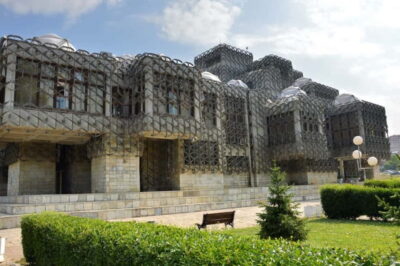
From Albania: Day Tour of Prizren and Optional Prishtina
Read our review →
Tirana: Pristina/Prizren, Kosovo Private or Shared Day Tour
Read our review →Browse the lists this tour appears in