Reviewed · TOURS
Kosovo – UNESCO sites – Day Tour
A UNESCO day trip sounds long, because it is. You start in Pristina at 9:00 am and spend the day seeing two major medieval church sites and a lively old town market in Kosovo, all with an English guide and comfortable A/C transport. It is a focused route, built for people who want real heritage without spending weeks planning.
I especially liked two things. First, the stop at the Patriarchate of Peć, with its four linked churches and famous frescoes, made the UNESCO label feel personal, not just official. Second, the ride-and-explain format of this tour, with an English speaking guide/driver, helps you connect what you are seeing to the people and influences behind it.
One consideration: time is tight. You get about 30 minutes at Peć, 45 minutes at Decani, and around 2 hours in Gjakova, so you will need to stay moving and pick your photo spots early.
In This Review
- Key things to know before you go
- Why this Kosovo UNESCO day tour works from Pristina
- Price and logistics: what $147.93 buys you
- Stop 1 at Patriarchate of Peć: fresco churches and Archbishop Arsenije
- Stop 2 at Visoki Dečani: the biggest medieval church feel, up close
- Stop 3 in Gjakova: Carshi bazaar energy and Hadum Aga Mosque
- Pacing the day: how the timing shapes your experience
- The guide factor: how history makes UNESCO click
- What to bring for this 8 hour UNESCO route
- Should you book this Kosovo UNESCO day tour?
- FAQ
- What time does the tour start?
- How long is the Kosovo UNESCO day tour?
- Is the tour offered in English?
- Is pickup included?
- Are entrance fees included?
- Is this a private tour?
- What is the cancellation policy?
Key things to know before you go
- Two UNESCO church sites in one day, both packed with fresco work and medieval architecture
- Architectural details that matter, like the link between Decani’s style and Roman Catholic influences
- A practical old town stop in Gjakova, with the Carshi bazaar vibe and a visit to Hadum Aga Mosque
- A/C transport plus pickup, so you spend less time figuring out logistics
- English guide and mobile ticket, which makes the whole day easier to follow
Why this Kosovo UNESCO day tour works from Pristina
This tour is built around a simple idea: if you only have a short time in Kosovo, you can still see major heritage sites in a single 8 hour block. Starting at 9:00 am matters, because it gives you daylight time at all three stops. And since the duration includes travel time, you will not be left wondering where the day went once you are on the road.
The payoff is that you do not just tick boxes. Patriarchate of Peć and Visoki Dečani are both UNESCO sites, and the tour gives you the kind of context that turns walls and paintings into stories. Then you finish in Gjakova, where the vibe shifts from stone churches to old town streets, markets, and Ottoman era landmarks.
If you like heritage that shows layers of history, this route makes sense. It is also a strong option for travelers who do not want to rent a car or piece together separate tickets and rides.
Others heading the same way out of Pristina:
- From Skopje: Kosovo in a Day – Prishtina, Monastery & Bears★ 4.8 · 646 reviews
- 1-Day Trip : Prishtina and Prizren from Tirana★ 4.5 · 464 reviews
- From Tirana/Durres/Golem: Prizren & Prishtina Full-Day Tour★ 4.8 · 388 reviews
Price and logistics: what $147.93 buys you
At $147.93 per person for about 8 hours, the big value is not one ticket or one photo stop. It is the full package of transport and guidance. You get all transportation in an A/C vehicle, plus an English speaking guide/driver for the whole program, and taxes are included.
That is important in Kosovo, where UNESCO sites can be spread out. Paying for a day with vehicle and a guide saves you from juggling directions, timing, and language hurdles. You also get a mobile ticket, so you are not stuck hunting for paper confirmations.
Entrance fees are where you should pay attention. The itinerary states admission is included for the Patriarchate of Peć and Visoki Dečani, and says admission is free for the Gjakova stop. At the same time, the general notes mention that entrance fees are not included. My practical advice: when you book, confirm what is actually covered for each stop, especially for any mosque or additional areas you might want to enter.
Stop 1 at Patriarchate of Peć: fresco churches and Archbishop Arsenije
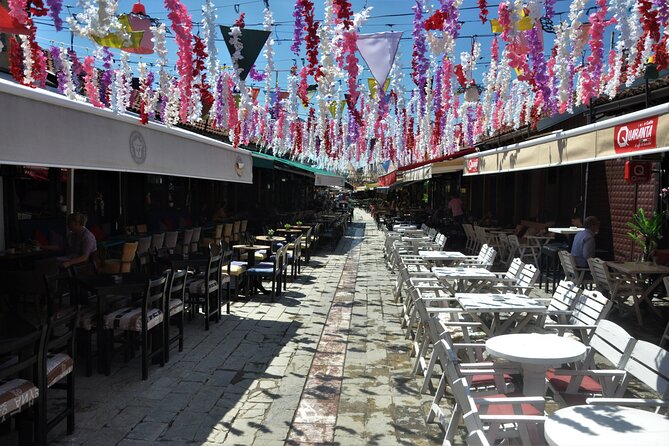
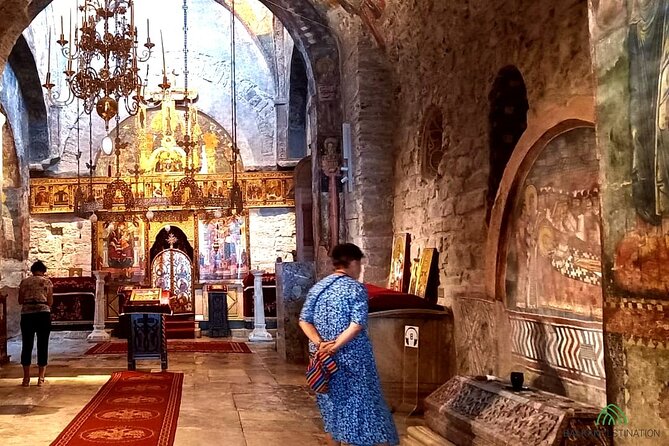
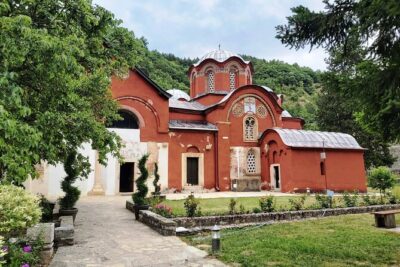
You start with the Patriarchate of Peć, a site connected to the 13th century. The complex is made up of four small churches, and the reason it is UNESCO isn’t vague. It is about the combination of architecture plus artwork, especially frescoes that help you read the religious and artistic world of the time.
The highlight to look for is the Church of the Holy Apostles. It is noted as the first church built by Archbishop Arsenije, who died in 1266. That kind of “who built what, and when” detail is exactly the sort of thing that a good guide can point out in the right places, so you know what you are standing in front of, not just walking through.
You get about 30 minutes here, so I recommend setting expectations. This is a “see the key spaces and key artwork” stop, not a slow museum experience. Wear comfortable shoes and decide in advance whether you want to prioritize the frescoes, the layout of the churches, or both.
Stop 2 at Visoki Dečani: the biggest medieval church feel, up close
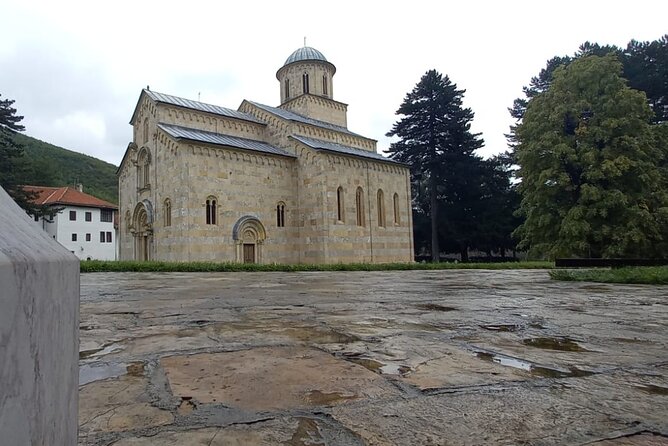
Next comes Visoki Dečani Monastery, described as the largest medieval church in the Balkans. That is a bold claim, but the practical way to experience it is simple: stand in the main church space and look for the feeling of scale, then notice how the fresco decorations are described as especially extensive and beautifully preserved.
UNESCO status here is tied to preservation and the role the monastery plays in safeguarding a World Heritage cultural record. You are not only seeing religious architecture, you are seeing a living record of how art was built to last.
One detail that makes this stop extra interesting is the architectural comparison. The catholicon is said to have striking similarities to a Roman Catholic church. The explanation given is that the architect was a Franciscan monk from Kotor, bringing influences connected to Venice and Ragusa. If you like “why does this building look like that” moments, you will have fun with this one, especially if your guide points out where those style influences show up.
Time is about 45 minutes. That is enough to see the main church focus and take in the fresco work, but not enough to linger for long if you stop for every photo. Go in with a plan: pick two or three areas you want to see clearly, then give the rest a slower look.
An hour down the road, something different:
- From Tirana/Durres: Day Tour Pristina & Prizren(Small Group)
★ 4.8 · 146 reviews - From Skopje: Full-Day Kosovo Tour to Pristina and Prizren
★ 5.0 · 93 reviews - Day tour of Prizren from Pristina; Semi – Private
★ 5.0 · 13 reviews
Stop 3 in Gjakova: Carshi bazaar energy and Hadum Aga Mosque
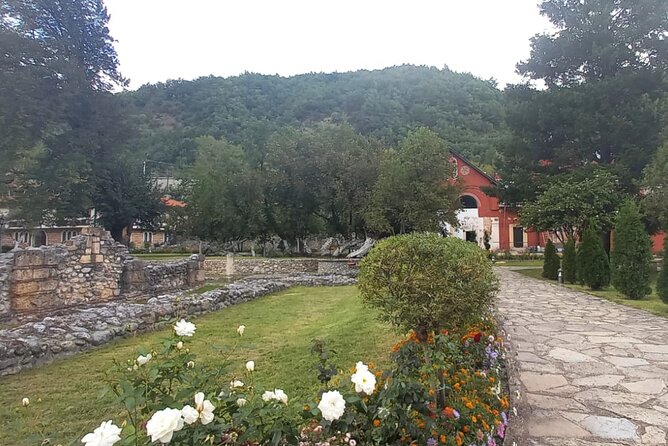
After the church stops, you shift into a different kind of heritage: Gjakova. This is where you feel the everyday past. The Grand Bazaar, also known as Carshi, is described as one of the oldest in Kosovo. Even if you do not know the exact age of every arch and shop, the layout and the market atmosphere are enough to tell you this place has long been a trading and meeting point.
The itinerary also mentions old houses and shops, plus a Turkish bathhouse, or hamam. In a town like this, those details matter because they show how community life worked beyond churches and monasteries. Markets, baths, and neighborhood streets are part of the historical story, too.
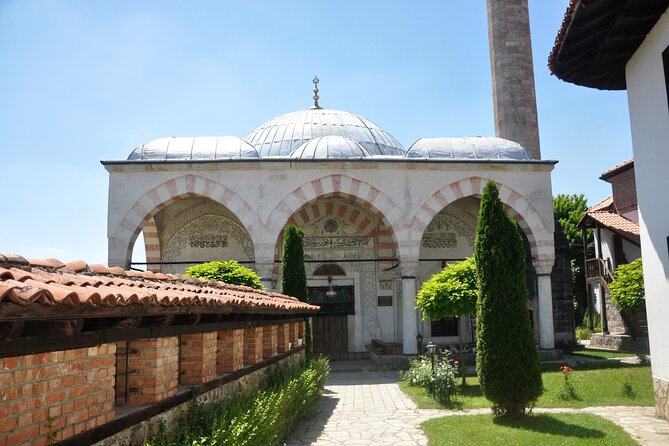
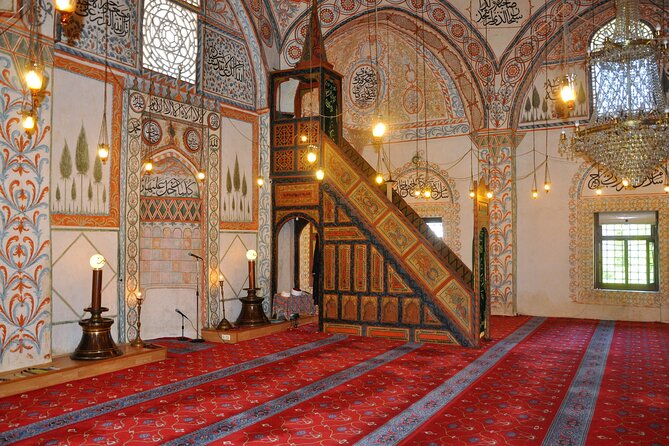
Your specific visit is to Hadum Aga Mosque, a 16th century landmark. This mosque stop is listed as admission free, and it gives your day balance. You are moving from Byzantine Orthodox space to Ottoman era urban religious architecture, all without changing towns.
You have about 2 hours here. That is the most flexible time of the day, so you can slow down. I would use this slot to wander a bit before you commit to photos or browsing. If you want souvenirs, it is also the time to do it, because it is easier to compare prices and styles while you still have daylight and energy.
Pacing the day: how the timing shapes your experience
The tour runs roughly 8 hours including travel, with short site visits and one longer town stop. That means the day has a rhythm: drive, arrive, see the key points, move on.
Here is the practical timing: 30 minutes at Peć, 45 minutes at Decani, and 2 hours in Gjakova. The advantage is that you cover a lot without feeling stuck in one place too long. The downside is that you will not have hours to sit, study, or absorb in silence.
To make this work well, I suggest you decide what type of photos you want. At UNESCO churches, you can easily lose time between entrances, viewpoints, and trying to photograph frescoes perfectly. If that sounds like you, pick one or two fresco-focused moments and accept that the rest is for seeing, not perfect framing.
If you pace yourself, you will come away with a better mental map of how these sites relate, not just a pile of pictures.
The guide factor: how history makes UNESCO click
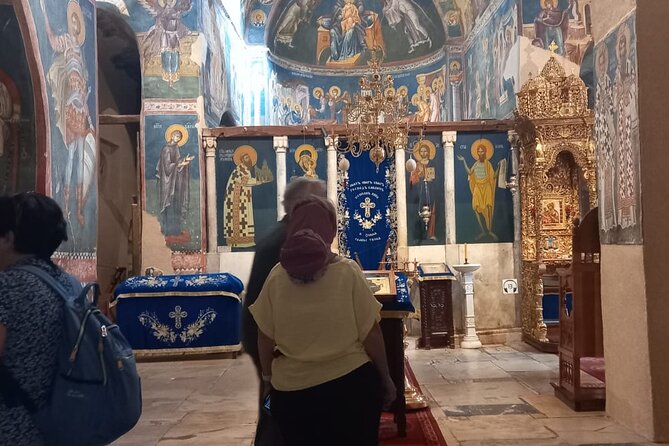
One of the strongest praises from past guests is about the guide experience. The feedback highlights that guides were extremely helpful and knowledgeable, and that they shared Kosovo experiences firsthand, not just textbook facts. In plain terms, it is the difference between hearing dates and actually understanding why someone cared enough to build and preserve these places.
When you get good guidance, UNESCO becomes more than a label. For example, Peć is not only old, it is structured around multiple small churches and connected to figures like Archbishop Arsenije. Decani is not only large, it is an artistic and architectural conversation with influences that travel through regions like Kotor, Venice, and Ragusa. And Gjakova is not only a market, it is a reminder that urban life had its own heritage rhythms.
I also like that the tour is described as private, meaning it is tailored to your group. In a smaller setting, you can ask questions without feeling rushed, and the guide can shift attention toward what your group cares about most.
What to bring for this 8 hour UNESCO route
This is a straightforward day, but you will be happier if you come prepared.
- Comfortable walking shoes, because you will move through church areas and old town streets
- Sun protection, especially since you will be outside in Gjakova
- A light layer, because interior spaces and outdoor shade can feel different
- A charged phone, since you have a mobile ticket
- Water, because the day includes travel time and short visits where you may not want to pause for long
Also, since admission coverage may depend on the exact setup for each stop, bring a little extra cash or confirm coverage during booking if you like having a Plan B.
Should you book this Kosovo UNESCO day tour?
I would book this if you want a smart, structured way to see two UNESCO church sites plus Gjakova in one day from Pristina. It is especially good for people who enjoy history when it is explained in a human way, not just listed in bullet points. If you value transport and an English speaking guide for the whole day, the price starts to make sense as a convenience package.
I would think twice if you hate time pressure. With 30 minutes at Peć and 45 minutes at Decani, it is not a slow travel option. But if you can work fast and watch closely, you will get a full picture of what makes these places important.
FAQ
What time does the tour start?
The tour starts at 9:00 am.
How long is the Kosovo UNESCO day tour?
The duration is about 8 hours, including travel time.
Is the tour offered in English?
Yes, the tour includes an English speaking guide/driver.
Is pickup included?
Pickup is offered, and the tour runs from the Pristina area.
Are entrance fees included?
The itinerary notes admission ticket included for the Patriarchate of Peć and Visoki Dečani, and admission free for the Gjakova stop. However, the general notes mention entrance fees are not included, so confirm what applies when you book.
Is this a private tour?
Yes, it is private, meaning only your group participates.
What is the cancellation policy?
You can cancel for free up to 24 hours in advance for a full refund. If you cancel less than 24 hours before the start time, the amount paid is not refunded.
Newest trips written up around Pristina
Tours, compared.
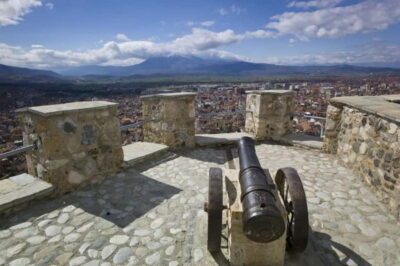
From Tirana/Durres/Golem: Prizren & Prishtina Full-Day Tour
Read our review →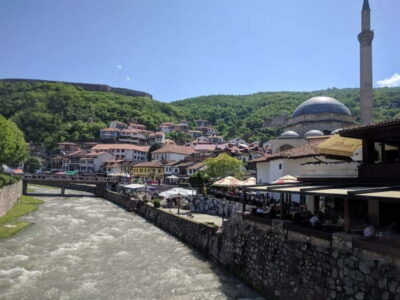
From Tirana/Durres: Day Tour Pristina & Prizren(Small Group)
Read our review →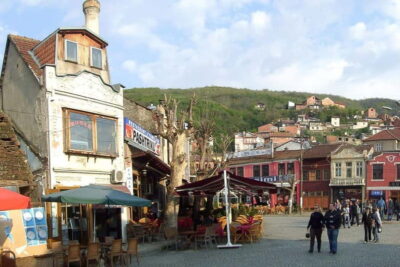
From Skopje: Full-Day Kosovo Tour to Pristina and Prizren
Read our review →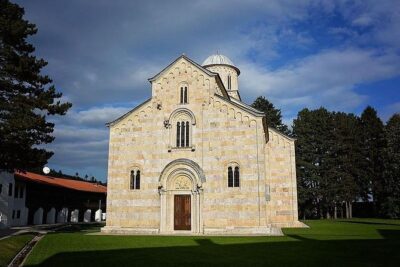
Peja Tour, Rugova Gorge and Drini waterfalls (combined)
Read our review →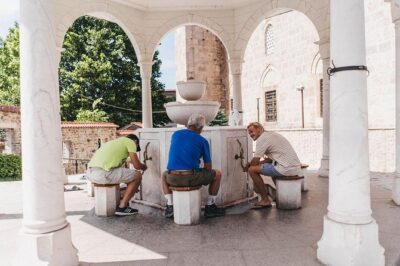
Day tour of Prizren from Pristina; Semi – Private
Read our review →