Reviewed · KOSOVO
Experience 3 beautiful Monasteries (Unesco) in Kosovo
Three monasteries, one big visual punch. It is a half day drive in Kosovo that links UNESCO-listed Orthodox churches with wall paintings from the medieval Balkans, the kind that make you stop talking for a minute.
I really liked two things right away: the sheer quality of the frescoes at each site, and the fact that you are not left to figure things out on your own. With a professional local guide, you get the setting and the story behind the art, not just a checklist of buildings.
One thing to keep in mind is that the tour time per stop is tight (about 30 to 45 minutes), and entrance fees inside the sites are not included. So you will want to go in knowing you are paying extra to fully see everything, and you may need to choose what you look at most carefully.
In This Review
- Key highlights you’ll feel right away
- UNESCO Monasteries in Kosovo, why this route works
- Price and value for a $300.96 private group outing
- Pickup and timing, how to make a smooth 9:00 start
- Stop 1, Gracanica Monastery and its 700 years of fresco work
- Stop 2, Peja Patriarchate, four churches and a garden break
- Stop 3, Visoki Deçani and the medieval art gallery effect
- Peja city tour time, using the lull between churches
- The guide makes or breaks medieval fresco time
- Tickets, weather, and what to pack for a 6 to 7 hour day
- Who this monastery tour is best for
- Should you book this UNESCO monasteries tour from Pristina?
- FAQ
- How long is the monasteries tour?
- What is the price and group size?
- Do I need to pay entrance fees at the monasteries?
- Which monasteries are visited on this tour?
- Is hotel pickup included?
- What happens if the weather is bad?
Key highlights you’ll feel right away
- UNESCO monasteries in one efficient route across Kosovo, built in the 1300s
- World-class frescoes and portraits that helped shape Balkan Byzantine-Romanesque church art
- Private transport with hotel pickup, so you start and end where it’s easiest
- Gracanica’s living monastery feel, with about 20 nuns based in the complex
- Peja’s Patriarchate layout, four unique churches and thousands of frescoes
- Visoki Deçani’s medieval art focus, often described as one of Europe’s biggest fresco galleries
UNESCO Monasteries in Kosovo, why this route works
Kosovo is not a place you typically visit for one single “main attraction.” It’s more about layers, and this tour does that well. You move through three Orthodox sites that reflect a distinct Byzantine-Romanesque ecclesiastical culture, especially visible in the wall painting tradition that developed across the region from the 13th to the 17th centuries.
What makes this experience practical is also what makes it special. You are not just seeing isolated churches in different towns. The route is built so you can compare styles and see how the medieval painting programs tell meaning through faces, gestures, and scenes.
And yes, the art is the headline. But I also like how the tour forces you to notice the “daily life” side of these places. Even when you are there for history, these are active sites. At Gracanica, for example, about 20 nuns live in the complex, and it changes the mood from museum to something closer to worship and routine.
Others heading the same way out of Pristina:
- From Skopje: Kosovo in a Day – Prishtina, Monastery & Bears★ 4.8 · 646 reviews
- 1-Day Trip : Prishtina and Prizren from Tirana★ 4.5 · 464 reviews
- From Tirana/Durres/Golem: Prizren & Prishtina Full-Day Tour★ 4.8 · 388 reviews
Price and value for a $300.96 private group outing
The price is $300.96 per group, up to 4 people. For a private half day like this, that is usually a good deal because you are paying for three things that would be annoying to arrange yourself: a guide, dedicated transport, and a door-to-door start.
Here is the real value logic. You get a professional local guide who can connect the frescoes to the wider region history, and you avoid the time sink of figuring out routes and parking between three sites in different directions. The vehicle is air-conditioned, which matters because Kosovo weather can swing from warm to chilly fast, especially if you are going in shoulder season.
Two costs you should plan for: entrance fees inside the monasteries and lunch (not included). That does not make the tour expensive, but it does mean the final “all in” day cost depends on how much you want to see inside each church.
If you want the best chance at your preferred date, book ahead. This tour is often reserved about 10 days in advance, and it is private, meaning fewer substitutions.
Pickup and timing, how to make a smooth 9:00 start
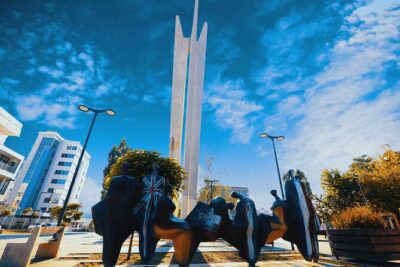
The meeting point is the Newborn MonumentXK at 111 Luan Haradinaj, Prishtina 10000, with a start time of 9:00 am. The tour ends back at the same meeting point, so you are not dealing with a long end-of-day transfer.
You’ll typically be picked up from your hotel. Airport pickup or drop off is also offered, which is handy if your schedule is tight. On top of that, you get a mobile ticket, so you are not hunting for paper vouchers.
The tour duration is about 6 to 7 hours. Each monastery has a set visit window, roughly 30 minutes for Gracanica and Peja, and about 45 minutes for Visoki Deçani. That structure is the reason the day feels focused, but it also means you need to decide what you want to get out of each stop: wide overview first, then a second look at the fresco areas your guide points out.
A small practical note: because the tour requires good weather, bring flexible expectations. If skies turn, you may be offered a different date or a full refund.
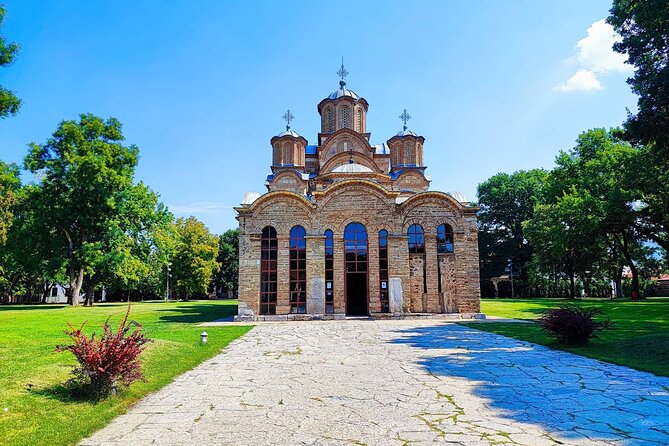
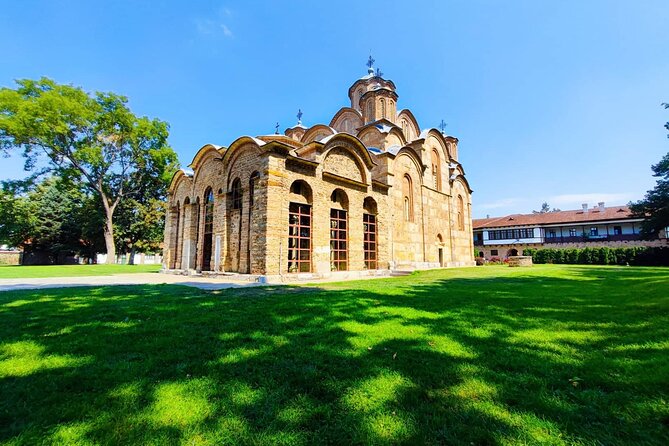
Stop 1, Gracanica Monastery and its 700 years of fresco work
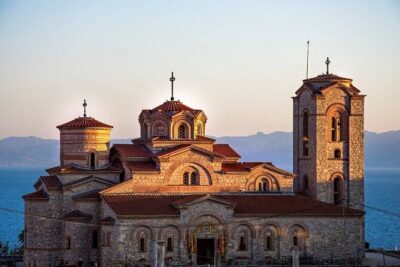
Gracanica Monastery is the first UNESCO site and a strong opening act. It was built in 1321, and it is known for being both active and well preserved. When you arrive, the frescoes are the first thing you notice because they are not fragmentary. They read clearly as part of a larger painting program, with portraits and scenes that feel intentional and organized.
One detail I really like about Gracanica is the living element. About 20 nuns live in the complex, so you are not just looking at a historic building from the outside. The monastery has a real day-to-day presence. That can make your visit feel calmer, less rushed, and more like you are stepping into a place that still matters to people.
Visit time is about 30 minutes, and admission fees inside are not included. That means you should be efficient. If you love art, arrive ready to focus your attention, because 30 minutes can evaporate if you spend it trying to photograph everything.
What to watch for during your short time:
- Look for how the fresco faces are painted to guide emotion and attention.
- Notice how the church fresco program is arranged, not random.
- Take a step back for the big picture, then move closer for details your guide highlights.
An hour down the road, something different:
- From Tirana/Durres: Day Tour Pristina & Prizren(Small Group)
★ 4.8 · 146 reviews - From Skopje: Full-Day Kosovo Tour to Pristina and Prizren
★ 5.0 · 93 reviews - Day tour of Prizren from Pristina; Semi – Private
★ 5.0 · 13 reviews
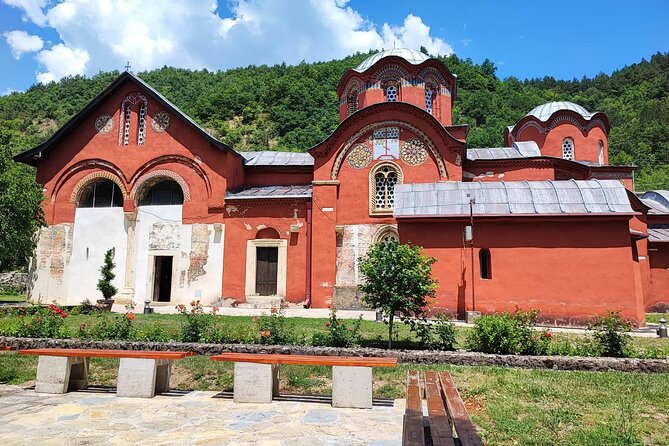
Stop 2, Peja Patriarchate, four churches and a garden break
The second stop is the Patriarchate of Peja, often called the Patriarchate of Pec. It is the oldest Orthodox monastery in Kosovo, built in the 13th century. This is one of those places where structure tells you a story. The complex is made up of four unique churches, and the design helps you understand why this site mattered beyond one building.
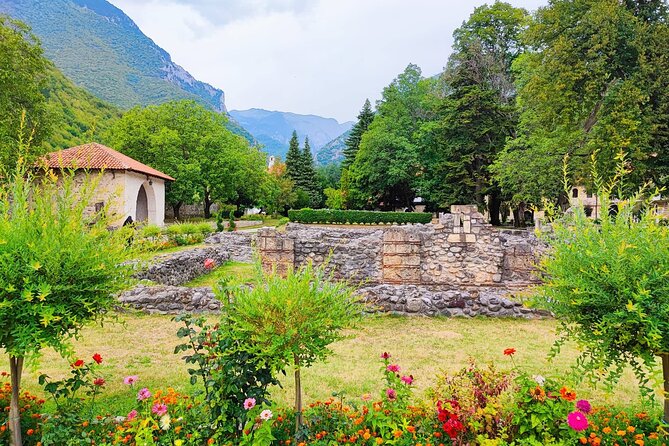
If Gracanica feels like an opening statement, Peja gives you a sense of depth and continuity. The grounds include a maintained garden, and that garden time is a real benefit on a tight schedule. It gives your eyes and your mind a rest before the art intensity of the next church.
Inside, the place is famous for thousands of frescoes and portraits. With a 30-minute visit window and entrance fees not included, your best approach is not to try to see everything. Instead, let your guide steer you toward the key painting areas and then use the last few minutes for your personal “favorites.”
A practical question to ask your guide here: which fresco zones are most important and why. If you get a good answer, you will leave feeling like you understood the art program, not just admired it.
Stop 3, Visoki Deçani and the medieval art gallery effect
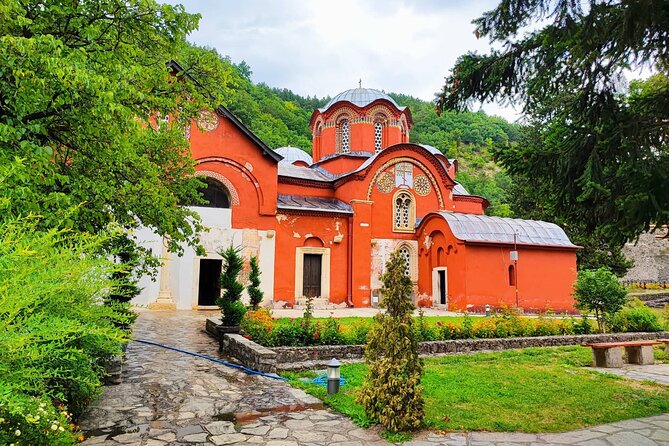
Visoki Deçani is where the tour leans hardest into art. This monastery was built in the 14th century and is often described as the best monastery in Kosovo, mainly due to what it contains. The architecture is unique, and the fresco program is so extensive that it is described as having perhaps the biggest medieval art gallery in Europe, with thousands of amazing frescoes and portraits.
That wording might sound like marketing, but your eyes will understand quickly why people say it. When you step into a church with a huge painting program, the scenes don’t feel like separate artworks. They feel like a system. The figures, faces, and painting density create a visual flow.
The visit time is about 45 minutes, and that extra time compared with the first two stops is well placed. You need it here, especially if you care about medieval painting details. If you want a deeper look, prioritize one or two areas your guide points to and then do a slower pass on the parts that catch your attention.
A balanced expectation: 45 minutes still is not “hours.” If you are the type who wants to study brushwork and layers, you may want to treat this as the start of your monastery learning, not the final word.
Peja city tour time, using the lull between churches
The experience also includes a Peja city tour component. You do not get a full-day city itinerary, but you do get context. Peja is the setting that makes the monasteries feel less like isolated monuments and more like part of the regional story.
I like using this kind of short city time for orientation. You get a clearer mental map of where you are in Kosovo, how the monasteries relate to the surrounding area, and what to notice when you are walking on your own later.
If you’re hungry, plan around the fact that lunch is not included. If your schedule is tight, you may need to eat either before the tour or during a break after. Don’t wait until you are starving to start thinking about it.
The guide makes or breaks medieval fresco time
This is the part that matters more than it sounds. In the reviews tied to this tour experience, the name Bekim came up as an especially strong guide. The key theme was not just that he described what you were seeing, but that he connected it to broader regional history.
That kind of guiding is exactly what helps fresco visits. Without context, frescoes can feel like a wall of faces. With context, you start reading them. You understand why certain scenes appear, what the style suggests, and how the artistic tradition fits into the wider medieval Balkans.
One constructive note to take seriously is that some explanations of the frescoes could be more detailed. That is not a reason to skip the tour. It’s a reason to show up ready to ask good questions.
Here are simple questions you can ask your guide during the route:
- Which fresco areas are the most important to see first?
- What makes the painting style distinctly Byzantine-Romanesque here?
- If I only have 10 minutes more, where should I look inside the church?
A great guide will answer in a way that makes your short visit time feel longer.
Tickets, weather, and what to pack for a 6 to 7 hour day
Entrance fees are not included, and they apply to sites inside. That means you should expect to spend more once you arrive. You do not need to stress about it, but you should carry a payment method and some cash as a backup.
Because the tour requires good weather, plan like a realist. Bring a light layer even if it seems warm in Prishtina, and have a basic plan if rain comes. The tour operator may offer a different date or a full refund if canceled due to poor weather.
For comfort, remember you are in the car for most of the day’s length, then in churches for short, focused visits. Comfortable shoes matter. You may also want a small bag for water, especially since lunch is not included.
One more practical thought: if you care about photos, think about timing. Churches can be dim, and you may need to move carefully. Focus on getting a few high-quality shots of the fresco sections you want to remember later, not dozens of blurry attempts.
Who this monastery tour is best for
This tour fits best if you want a concentrated UNESCO monastery experience without the hassle of planning three separate visits on your own. It also works well if you like art history, but you want it explained in plain language, not academic lectures.
It’s also a good pick for:
- First-time visitors to Kosovo who want the medieval side of the country
- People who prefer private, group-specific pacing over crowded tours
- Travelers who enjoy UNESCO sites, but want more than photos, they want context
If your ideal day is slow sightseeing, long café lunches, and lingering in each building, the fixed visit times might feel short. In that case, you could still love the route, but you should consider using it as an “overview with expert guidance” day, then adding extra independent time later.
Should you book this UNESCO monasteries tour from Pristina?
I’d book it if your priority is three UNESCO monasteries in one efficient private day, with a local guide who can connect the frescoes to the medieval story of the Balkans. The combination of pickup, air-conditioned private transport, and a focused schedule makes it a strong value for a small group of up to four.
I would think twice if you are traveling with a must-see list that requires long stays inside each church. This route moves. It respects your time, but it does not give you all-day freedom inside the walls.
If you book, go in with the right mindset: you are not trying to memorize every figure. You are trying to catch the meaning, the style, and the best painting areas with expert help. Do that, and this becomes a highlight that feels bigger than the hours you spend.
FAQ
How long is the monasteries tour?
It lasts about 6 to 7 hours.
What is the price and group size?
The price is $300.96 per group, up to 4 people.
Do I need to pay entrance fees at the monasteries?
Entrance fees to sites inside are not included, so you should expect to pay those separately.
Which monasteries are visited on this tour?
You visit Ģracanica Orthodox Monastery, the Patriarchate of Peja (Pec), and Visoki Deçani Orthodox Monastery.
Is hotel pickup included?
Yes. Hotel pickup is included, and airport pickup or drop off is also offered.
What happens if the weather is bad?
This experience requires good weather. If it is canceled due to poor weather, you are offered a different date or a full refund.