
Reviewed · PRIZREN TOURS
Prizren: Via Ferrata Panorama
Rock climbing with views beats any museum stop. The Via Ferrata Panorama route above Prizren pairs a guided ascent with dramatic sightlines over the Sharr Mountains and the Lumbardhi River. If you are curious about climbing but not ready for free climbing, this is the controlled, cable-and-harness way to test your legs.
I love that the gear is EU certified and the rental kit covers the basics you need, including a harness, helmet, and via ferrata carabiners. I also love the way guide Kushtrim teaches technique and keeps safety as the first priority, while matching your pace.
One possible drawback: this is EEA-D terrain with about 510 m of vertical climbing, so if you get vertigo or strongly fear heights, you should think twice before booking.
In This Review
- Quick hits you will actually use
- Via Ferrata Panorama: the big idea and what makes it worth it
- Getting started at Andrra Recreation Center, then heading uphill together
- Safety gear and the real meaning of EEA-D
- The climb: what to expect on the Panorama route
- Views over the Sharr Mountains, Lumbardhi River, and Prizren
- The hike back down: why pacing and coaching matter
- Price and value: does $71 per person make sense?
- What to bring, what not to do, and who should skip
- Should you book Via Ferrata Panorama in Prizren?
- FAQ
- How long does the Via Ferrata Panorama experience take?
- Where do we meet?
- What equipment is included, and do I need gloves?
- Is transport included?
- What difficulty level is the route?
- What languages do the instructors speak?
Quick hits you will actually use
- Certified guide support with hands-on coaching, including pacing that helps first-timers feel secure
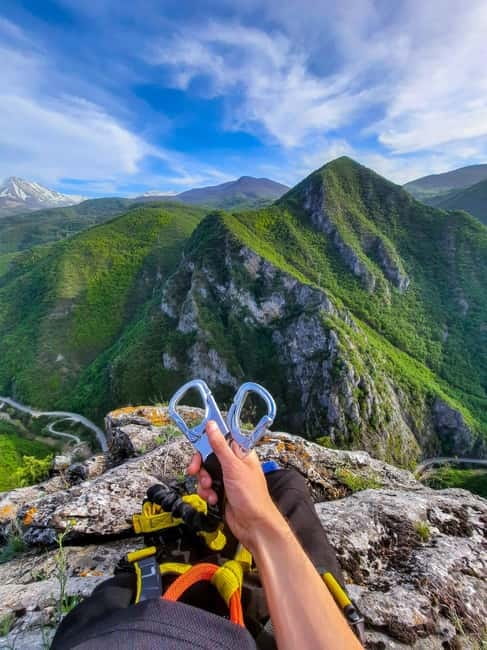
- EU certified equipment included, so you start with the right harness, helmet, and carabiners
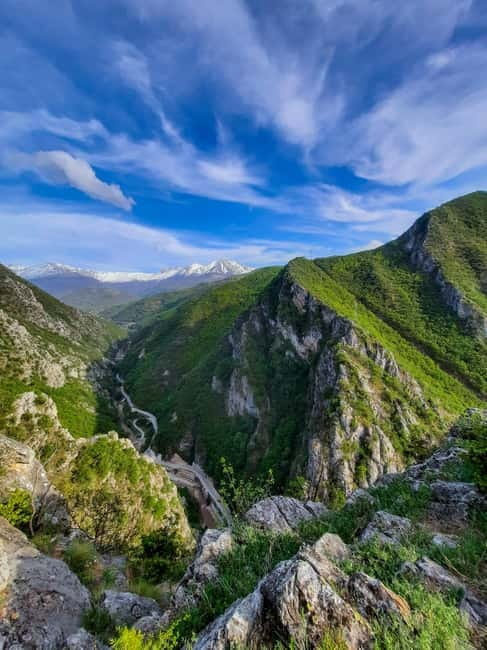
- Panoramic viewpoints over the Sharr Mountains, the Lumbardhi River, and Prizren
- Small group size (max 8), which matters a lot on a technical route
- Route height around 510 m and EEA-D difficulty, so you get a real workout
- Gloves are available on demand for an extra cost, so plan accordingly
Via Ferrata Panorama: the big idea and what makes it worth it
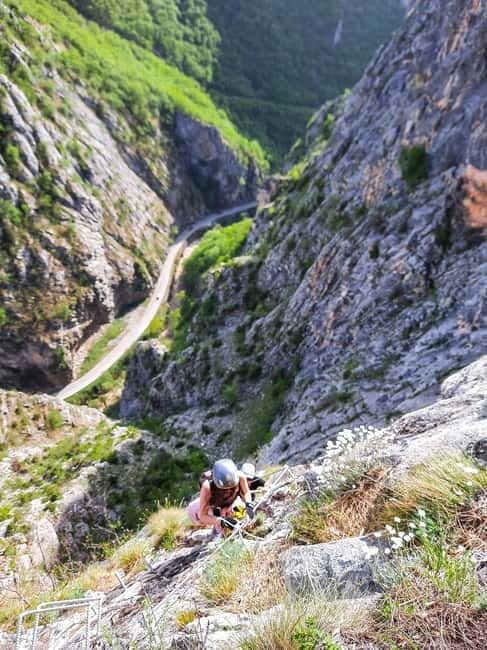
A via ferrata is basically rock climbing with guardrails. You use fixed cables and metal attachments, while your safety system connects you to the route. You still work for it, but you are not free-soloing your way up the mountain.
Here, the attraction is the combination of effort and reward. You climb a route in the Prizren hills, and you come out with sweeping views of the Sharr Mountains, the Lumbardhi River, and Prizren below. That shift, from busy city air to wide-open highland sky, is why this experience sticks with people.
The other reason it feels good is that you do not go alone. You climb with a certified guide who handles the technical stuff and helps you move correctly. In reviews, the guide name Kushtrim comes up because he focuses on safety first, explains the rules clearly, and keeps things calm even if you are new.
The route is listed as EEA-D, and the height is about 510 m (around 1,600 ft). That means you should treat it as an active day outdoors, not a casual walk. If you like challenges but want structure, this is a great match.
More of Prizren and its old town:
- 1-Day Trip : Prishtina and Prizren from Tirana★ 4.5 · 464 reviews
- From Tirana/Durres/Golem: Prizren & Prishtina Full-Day Tour★ 4.8 · 388 reviews
- From Tirana/Durres: Day Tour Pristina & Prizren(Small Group)★ 4.8 · 146 reviews
Getting started at Andrra Recreation Center, then heading uphill together
Your day typically begins at Andrra Recreation Center. There is a big parking area on the right side of the road where you meet. From there, you continue together to the starting point.
This matters because it sets you up for a smooth transition from town to trail. If you have ever shown up to the wrong trailhead, you already know why this beats random DIY navigation.
You should expect a full technical and safety briefing before you start climbing. This is not wasted time. The briefing is where you learn how to clip in properly, how to move while staying connected, and how to handle the route sections. It is also where a guide can check your comfort level, especially on a first via ferrata.
Then you ride or transfer to the starting point. Transport from the city center is not included as a separate item, and the starting area is about 5 km from the center. In practice, the tour structure still gets you there, but it is good to know this is not a “walk from the hotel” kind of activity.
You will be in a small group, limited to 8 people. On a technical climb, that is a big deal. It means your guide can actually keep an eye on you, adjust coaching, and avoid long waits in tight sections.
Safety gear and the real meaning of EEA-D
You get the key equipment you need, including a harness, helmet, and via ferrata carabiners. The equipment is described as being made in the EU and certified to EU standards. That is exactly what you want to hear when you are trusting your body to metal and straps.
You can also use gloves, but they are not automatically included. Gloves are available on demand at an additional cost. If you are thinking ahead, bring or plan for gloves, especially if you expect cooler wind up high or if you want extra grip and comfort on cable sections.
The route is described with EEA-D difficulty, and the climbing height is about 510 m with elevation gain and loss around +195 m and -195 m. Even if the fixed cables do the anchoring, EEA-D still signals real exposure and technical movement.
Here is what that means for you day-to-day:
- You will likely use your hands more than you expect, because via ferrata progress often means gripping and clipping carefully.
- You will need steady footwork. The route is not just “climb and hope.”
- You should take the guide’s rhythm seriously. If you rush, you feel it. If you follow technique, it feels more manageable.
One thing I appreciate about this setup is that the guides are teaching more than just safety. In this experience, you are accompanied by a certified guide who may share insights about local geology and flora as you go. That turns the climb into something more than physical labor, you get a bit of context for where you are.
And if you are a first-timer, pay attention to how your guide handles instruction. In one review, the guide took time to explain the rules and then followed the climber’s pace through the hike. That is the difference between feeling overwhelmed and feeling in control.
The climb: what to expect on the Panorama route
The ascent and the hike back down generally take about 2 to 3 hours, and the total experience is listed as about 3 hours. In other words, you are not spending an all-day stretch in one continuous grind. You are doing a focused chunk of climbing and moving, with the guide keeping you safe and moving efficiently.
You start with clipping in and getting your system comfortable. If you have never used a harness before, you might want a moment to adjust it so you feel secure without being overly tight. A good guide will help, but it helps if you communicate early if anything feels off.
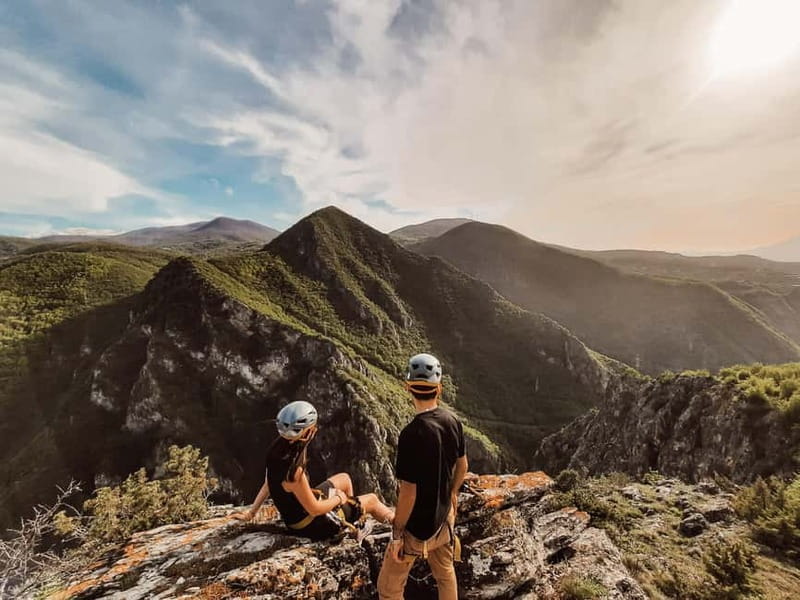
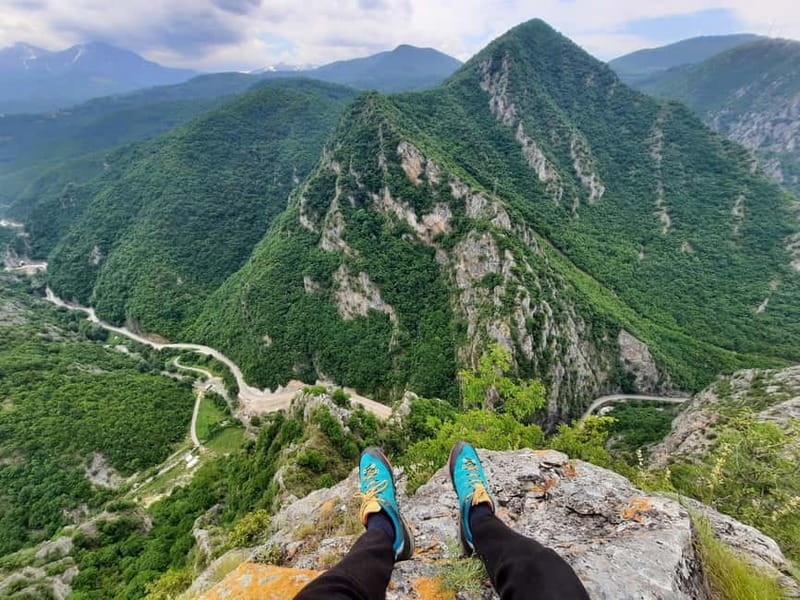
As you climb, expect panoramic moments to pop up at intervals. The “Panorama” name is not marketing fluff. Your best views come as you reach sections where the route opens toward the Sharr Mountains and across toward the Lumbardhi River.
This is also where the small-group format pays off. With fewer people on route, you can move in a more consistent flow, and your guide can help you step through tricky cable or footing moments. If you pause, you are not getting pushed forward by a crowd behind you.
One of the best parts of via ferrata routes is that you get the thrill of climbing without the same level of uncertainty as off-cable rock. That does not mean it is easy. It means you can focus on movement and breath, instead of constant fear.
If you are nervous, you should know that people in the provided info are advised not to book if they have strong height fear, vertigo, epilepsy, recent surgeries, or motion sickness. Even if you are mentally tough, the route’s EEA-D nature suggests you should treat exposure seriously.
But if you can handle heights in short bursts, and you follow the guide’s safety instructions, you can absolutely do this as a first climbing experience. Reviews highlight that the guide spent time teaching, kept safety as the top concern, and made the climber feel confident.
An hour down the road, something different:
- From Skopje: Full-Day Kosovo Tour to Pristina and Prizren
★ 5.0 · 93 reviews - Historic Prizren: Where Every Corner Tells a Story
★ 4.8 · 20 reviews - From Tirana: Day Trip to Prizren, Kosovo
★ 4.9 · 16 reviews
Views over the Sharr Mountains, Lumbardhi River, and Prizren
This is the part you will remember in a very practical way. The view is not just pretty. It helps you understand the effort you are putting in.
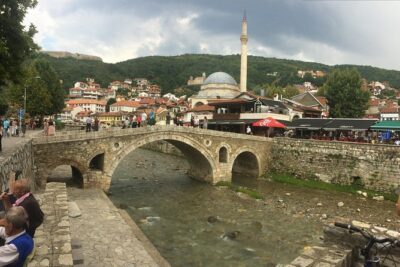
From the Panorama route, you take in the Sharr Mountains and the Lumbardhi River. You also look back toward the historic city of Prizren. On a clear day, you get a sense of how the city sits in a wider valley world, not just a compact old-town stop.
What makes the view experience better here is that the guide may share stories and observations. In one review, the guide offered to take pictures and shared stories about his life in Prizren. That kind of human context changes the vibe. The view becomes connected to a place, not just scenery.
If you want better photos, do not wait for the absolute peak moment only. Ask the guide where the stable spots are for pictures. Also, if you are wearing a helmet and gloves, plan for camera handling. Your hands will be busy while you are moving, so it is smart to take photos during safer pauses, not while climbing.
Even if you are not a big photo person, the viewpoint timing matters. The route and pacing give you natural moments to look around, catch your breath, and reset your focus for the next stretch.
The hike back down: why pacing and coaching matter
You will climb up, then you hike back down. This is not a throwaway part. The descent is where good technique keeps you from feeling beat up.
Because the experience is guided, you are not improvising. Your guide can manage the group and keep you moving with safe habits. In reviews, the guide is praised for following a climber’s pace and for prioritizing safety over speed. That kind of coaching helps a lot, especially when you are tired.
Also, you might get light snack or refreshments depending on the duration of your via ferrata climb. That is a small detail, but it can be the difference between feeling pleasantly energized and feeling drained right after.
For first-timers, the best mindset for the descent is patience. If you rush, your footing gets sloppy. If you slow down and trust the system, the return feels more controlled.
One more benefit of the smaller group is that you do not feel like you are constantly negotiating space. Your guide can space people appropriately, explain what to watch for, and keep the route from turning into a traffic jam.
Price and value: does $71 per person make sense?
At $71 per person, this is not a cheap activity, but it also is not a vague “tour experience” where you mostly sit around. You are paying for certified instruction, rented safety equipment, and a guided climb on a technical route.
Here is how I judge value for this kind of outing:
- Included equipment reduces your risk and your prep hassle. Helmet, harness, carabiners are not optional for via ferrata, so rental being included is a direct cost saver.
- A certified guide is the main value driver. You are learning the system and climbing safely because someone experienced is supervising you.
- The route length and vertical commitment are substantial. With around 510 m of height and real EEA-D difficulty, you get a workout that feels like more than a scenic walk.
If you are comparing against DIY climbing with rented gear but no instruction, the guide cost makes sense. You are also in a small group, not a huge crowd, so the attention you get is likely better.
That said, if you are looking for an effortless photo op, this is the wrong expectation. If you want a structured climb with coaching and big views, the price feels fair.
What to bring, what not to do, and who should skip
Before you go, read the restrictions carefully. This activity is not for everyone, and that is a good thing. You are climbing exposed rock terrain with fixed safety systems, and that changes the risk equation.
You should bring:
- Hiking shoes with decent grip
- Water and snacks (a light snack or refreshments may be provided)
- Sunscreen and a hat
- Comfortable clothes you can move in
- Optional or additional gloves, with gloves available on demand for an extra cost
Do not show up with:
- Pets or bikes
- Smoking, alcohol, or drugs
- Bare feet
And skip this activity if you fall into the listed categories, including children under 15, people with heart problems, wheelchair users, anyone afraid of heights or with vertigo, people with epilepsy, people under 150 cm, people over 130 kg, those under 40 kg, those with recent surgeries, or people with motion sickness.
If you are on the fence because you are a little nervous, focus on reality. You do not just climb with your muscles. You climb with your nervous system. If your fear is strong or you get dizzy, the route’s exposure will likely feel like too much.
But if you are comfortable with heights in general, you can follow instructions, and you have footwear you trust, this can be a first climbing win. The reviews emphasize confidence-building coaching, careful rule explanations, and a guide who stays personable while watching safety.
Should you book Via Ferrata Panorama in Prizren?
Book it if you want a guided, safety-first way to try via ferrata, and you want a clear payoff in the form of Sharr Mountains and Lumbardhi River views. The small group size, EU certified gear, and focused coaching make it a smart choice for first-timers who still take safety seriously.
Skip it if the listed health and fear restrictions apply to you. Especially if you have vertigo or a strong fear of heights. This route is around 510 m of climbing with EEA-D difficulty, so it is not a gentle starter walk.
If your goal is value, this is a solid deal for the combination of instruction, technical route time, and rented safety gear included. I would also add this: if you enjoy meeting someone local who shares stories, this experience seems to deliver that human layer too, including photo help and local life stories from guides like Kushtrim.
If that sounds like your kind of day, you will likely come away proud that you climbed something real above Prizren.
FAQ
How long does the Via Ferrata Panorama experience take?
The experience is listed as about 3 hours total. The climb and hike back down generally takes about 2 to 3 hours, depending on your pace.
Where do we meet?
You meet at the big parking slot on the right side of the road at Andrra Recreation Center, then you continue together to the starting point.
What equipment is included, and do I need gloves?
The included equipment rental covers a harness, helmet, and via ferrata carabiners. Gloves are available on demand for an additional cost, so plan to either bring them or expect to purchase them there.
Is transport included?
Transport from the city center to the starting point is not included as a separate service, and the starting point is about 5 km from the city center. You still meet at Andrra Recreation Center and then go together to the starting point.
What difficulty level is the route?
The via ferrata Panorama route is described as EEA-D difficulty, with route height of about 510 m (about 1,600 ft).
What languages do the instructors speak?
The instructor is listed as Albanian and English.
Newest trips written up around Prizren
Prizren Tours, compared.
From Tirana/Durres/Golem: Prizren & Prishtina Full-Day Tour
Read our review →
From Tirana/Durres: Day Tour Pristina & Prizren(Small Group)
Read our review →
From Skopje: Full-Day Kosovo Tour to Pristina and Prizren
Read our review →
Historic Prizren: Where Every Corner Tells a Story
Read our review →
Browse the lists this tour appears in